
Introduction
DC geared motors are widely used in automation equipment, robotics, medical devices, and consumer products because they provide high torque output, compact size, and simple speed control. For applications requiring precise low-speed movement and higher mechanical force in limited space, a micro geared stepper motor is often selected because it combines accurate positioning with the torque advantage of a reduction gearbox.
Although DC geared motors and geared stepper motors use different drive principles, both are designed to solve similar engineering challenges: delivering controlled motion in compact mechanical systems. Engineers often evaluate factors such as torque, speed, load capacity, operating cycle, and positioning requirements before selecting the most suitable motor technology.
This guide explains the applications, advantages, selection parameters, and differences between DC geared motors and other miniature geared motion solutions.
Applications of DC Geared Motors
DC geared motors are commonly used in systems that require continuous rotation, high torque, and reliable mechanical transmission. By adding a gearbox to a DC motor, the output speed is reduced while torque is increased, allowing the motor to drive heavier loads efficiently.
1. Industrial Automation Equipment
Industrial automation systems require compact motors that can operate reliably under repeated working cycles.
Typical applications include:
- Conveyor systems
- Automatic doors
- Material feeding mechanisms
- Packaging equipment
- Small robotic platforms
- Automated positioning devices
In these systems, DC geared motors are mainly used for:
- Driving rollers
- Moving mechanical structures
- Opening and closing mechanisms
- Rotating fixtures
For example, a small packaging machine may use a DC geared motor to control feeding rollers because the motor provides sufficient torque while maintaining a compact installation size.
2. Robotics and Robotic Actuators
Robotic systems require lightweight and efficient drive components. DC geared motors are widely used in mobile robots, service robots, and small robotic mechanisms.
Common applications include:
- Robot wheels
- Robotic arms
- Grippers
- Inspection robots
- Autonomous equipment
A gearbox allows the motor to generate higher output torque, which is important for:
- Carrying loads
- Climbing slopes
- Maintaining stable movement
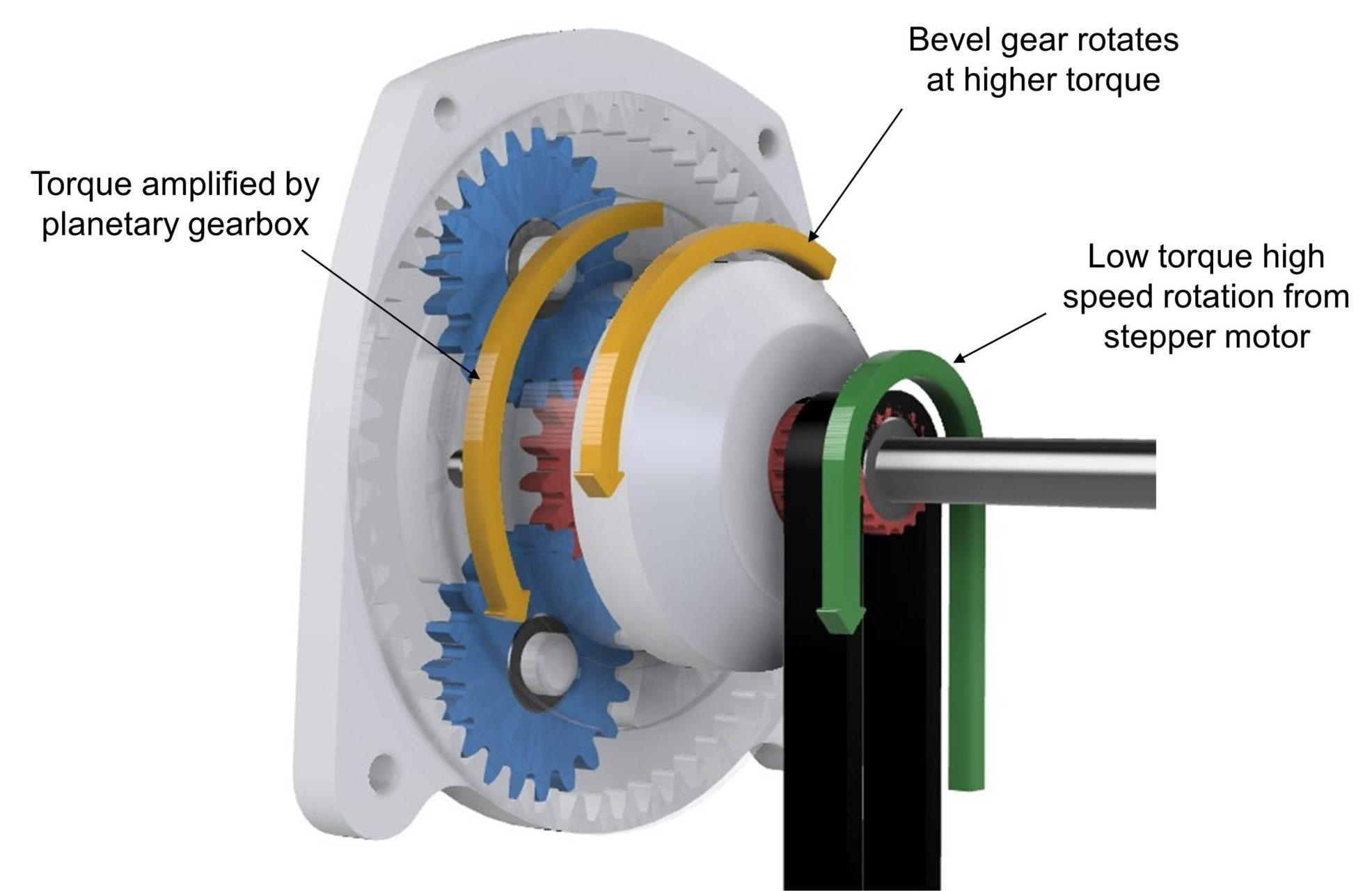
For robotic joints requiring accurate position control, engineers may choose a micro geared stepper motor or servo-based solution instead, depending on accuracy requirements.
3. Medical Equipment
Medical devices often require motors with stable operation, low noise, and compact dimensions.
Applications include:
- Medical pumps
- Diagnostic equipment
- Patient positioning systems
- Laboratory automation devices
- Electric adjustment mechanisms
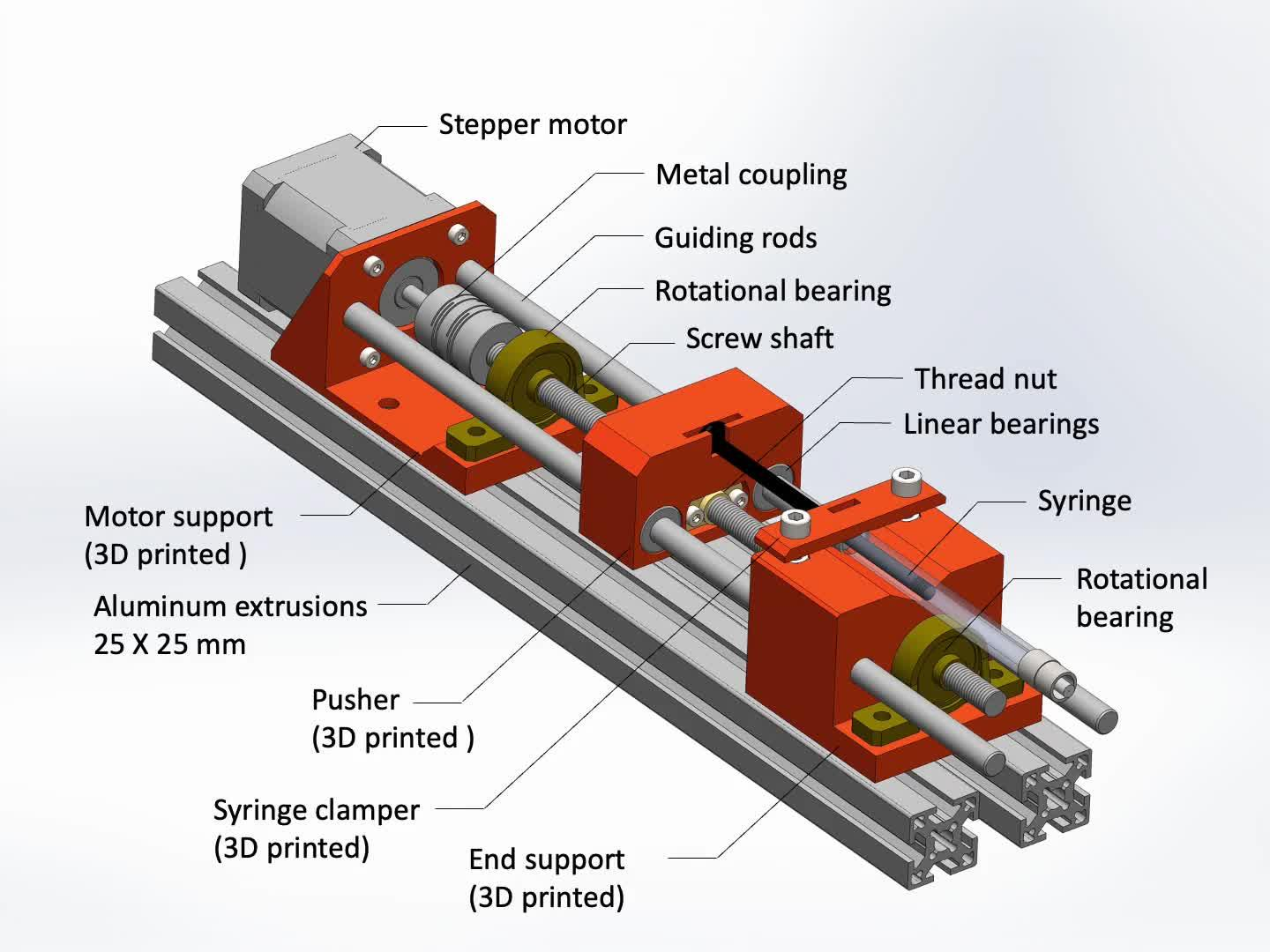
DC geared motors are suitable when continuous rotation or adjustable speed control is required.
For applications requiring accurate dispensing or repeatable positioning, miniature geared stepper motors are often preferred because they provide controlled incremental movement.
4. Smart Home and Consumer Devices
Compact geared motors are widely used in consumer products.
Examples include:
- Automatic curtains
- Electric locks
- Adjustable furniture
- Cleaning robots
- Smart appliances
The main requirements are:
- Low power consumption
- Long service life
- Quiet operation
- Compact design
DC geared motors provide a cost-effective solution for many household automation applications.
Benefits of DC Geared Motors
1. High Torque Output
The main advantage of a gearbox is torque multiplication.
Compared with a standard DC motor, a geared motor can:
- Drive heavier loads
- Operate at lower speeds
- Improve mechanical efficiency
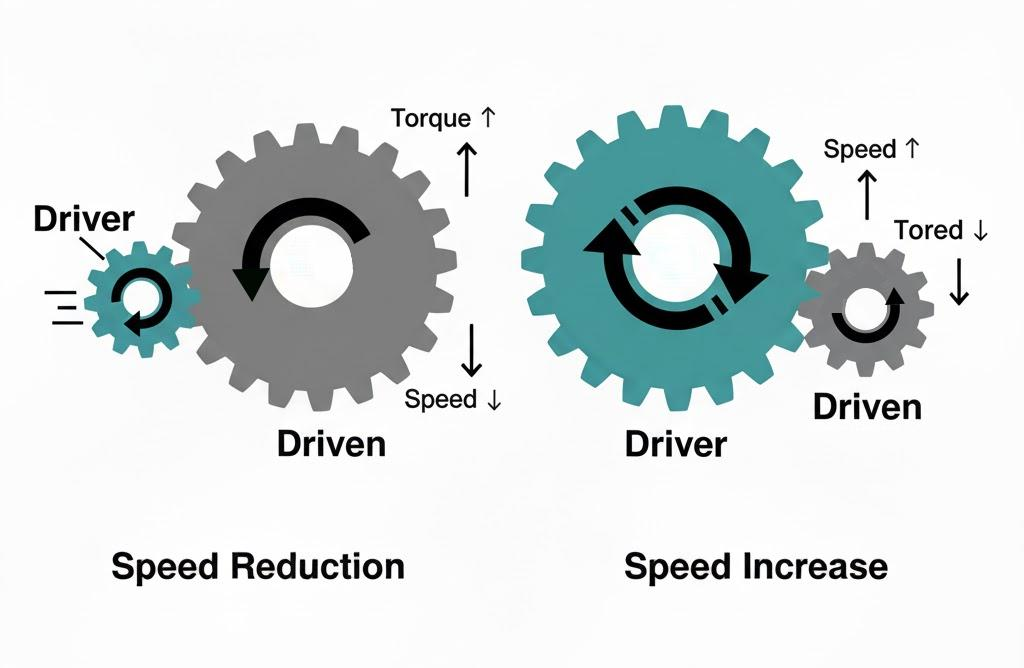
This makes DC geared motors suitable for applications where direct-drive motors cannot provide enough force.
2. Compact Mechanical Design
Space is often limited in modern equipment.
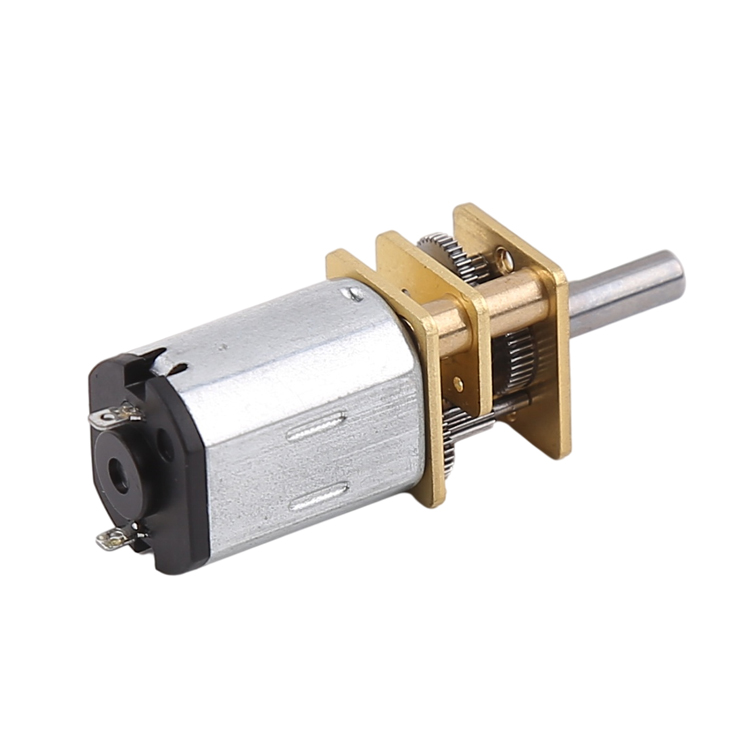
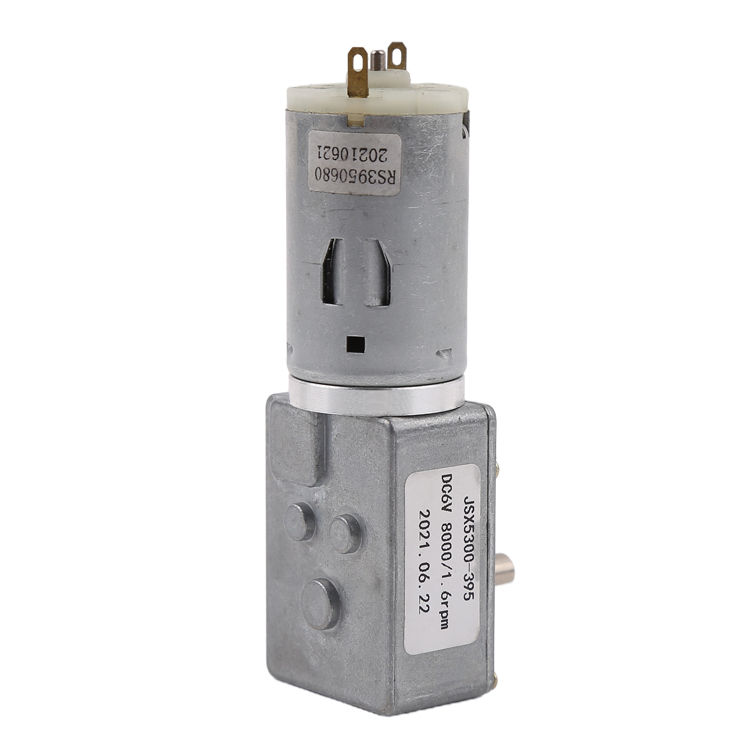
A micro DC geared motor integrates:
- Motor
- Gearbox
- Output shaft
into a compact assembly.
This reduces system complexity and makes installation easier.
3. Simple Speed Control
DC motors can be controlled easily by adjusting voltage or using PWM (Pulse Width Modulation).
Advantages include:
- Adjustable speed
- Easy integration with controllers
- Lower system complexity
4. Cost-Effective Motion Solution
Compared with advanced servo systems, DC geared motors usually provide a simpler and more economical solution for applications that do not require high positioning accuracy.
DC Geared Motor vs Micro Geared Stepper Motor
Although both motors include gear reduction, they are designed for different motion requirements.
| Feature | DC Geared Motor | Micro Geared Stepper Motor |
| Motion Type | Continuous rotation | Precise incremental movement |
| Position Control | Requires encoder for accurate positioning | Provides positioning through step control |
| Torque Output | High torque at low speed | High torque with accurate control |
| Speed Adjustment | Simple voltage/PWM control | Pulse frequency control |
| Control System | Relatively simple | Requires stepper driver |
| Typical Applications | Wheels, pumps, actuators | Precision positioning, robotics joints, medical equipment |
Selection depends mainly on whether the application
prioritizes continuous movement or precise positioning.
How to Select a DC Geared Motor
Choosing the correct motor requires evaluating the mechanical and electrical requirements of the application.
Important selection factors include:
| Parameter | Description | Engineering Consideration |
| Rated Voltage | Motor operating voltage | Must match power supply |
| Rated Torque | Continuous output torque | Determines load capability |
| Peak Torque | Maximum short-term torque | Important for startup loads |
| Gear Ratio | Speed reduction level | Higher ratio increases torque |
| Output Speed | Final shaft speed | Determines operating efficiency |
| Motor Size | Installation dimensions | Affects equipment design |
| Operating Current | Power consumption | Influences thermal performance |
| Duty Cycle | Operating frequency | Affects motor lifetime |
Key Points Engineers Should Evaluate
Before selecting a DC geared motor, consider:
- Load requirement:Calculate required torque based on mechanical resistance.
- Speed requirement:Select the output speed according to application movement.
- Operating environment:Consider temperature, dust, vibration, and humidity.
- Lifetime requirement:Evaluate expected operating hours and cycle frequency.
- Noise limitation:Important for medical and consumer applications.
- Control method:Determine whether open-loop or feedback control is required.
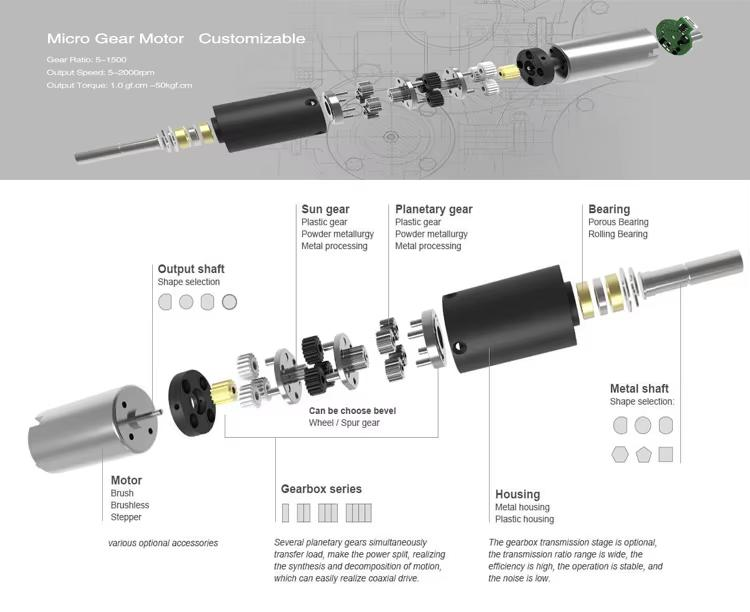
Common Gearbox Types for Miniature Motors
Different gear systems provide different performance characteristics.
| Gear Type | Advantages | Typical Applications |
| Spur Gearbox | Simple structure, cost-effective | Consumer products, small mechanisms |
| Planetary Gearbox | High torque density, compact design | Robotics, automation equipment |
| Worm Gearbox | High reduction ratio, self-locking capability | Lifting mechanisms, adjustment systems |
| Metal Gearbox | High durability and load capacity | Industrial applications |
For compact equipment requiring high torque in limited space, planetary gear systems are commonly selected.
DC Geared Motors in Precision Equipment
Although DC geared motors are excellent for continuous motion applications, some precision equipment requires more accurate control.
In these cases, engineers may choose:
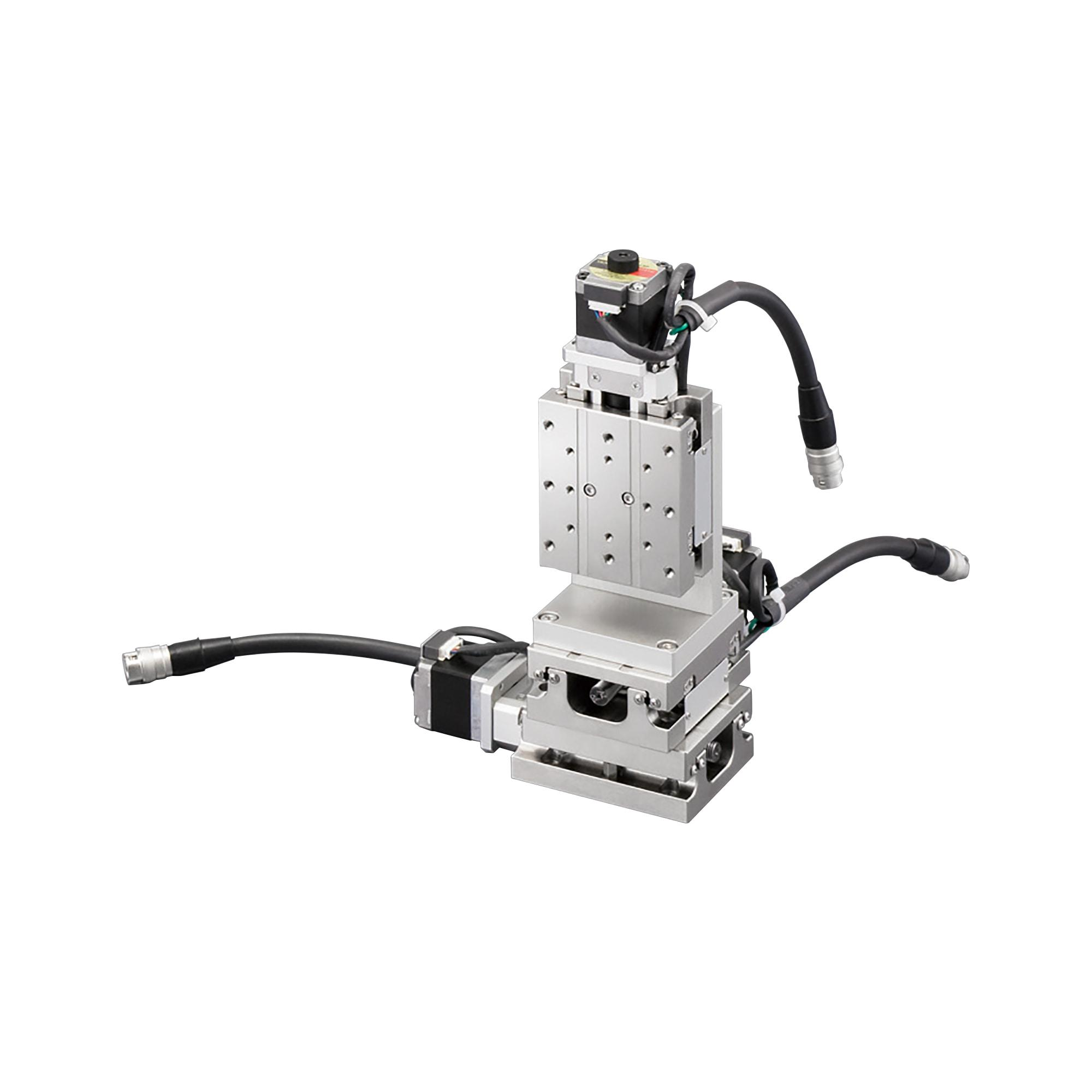
- Micro geared stepper motors
- Linear stepper motors
- Servo motors
- Encoder-equipped DC geared motors
For example:
- A medical pump requiring precise fluid volume control may use a geared stepper motor.
- A robotic wheel system requiring continuous rotation may use a DC geared motor.
- A positioning platform requiring repeatability may use a servo or stepper-based solution.
Choosing the correct motor technology depends on the motion requirements rather than the motor type alone.
Future Trends of Miniature Geared Motors
The demand for compact motion solutions continues to increase in automation, robotics, and medical equipment.
Future developments include:
- Smaller motor designs
- Higher torque density
- Improved energy efficiency
- Integrated encoders
- Smart motion control
- Customized motor structures
Manufacturers are increasingly developing hybrid solutions that combine compact mechanical design with intelligent control systems.
Frequently Asked Questions About DC Geared Motors
1. What is a DC geared motor used for?
A DC geared motor is used for applications requiring high torque and controlled rotation, including automation equipment, robots, medical devices, smart home products, and electric mechanisms.
2. What is the difference between a DC motor and a DC geared motor?
A DC geared motor adds a gearbox to a standard DC motor. The gearbox reduces speed and increases output torque, allowing the motor to handle heavier mechanical loads.
3. When should I choose a micro geared stepper motor instead of a DC geared motor?
A micro geared stepper motor is better suited for applications requiring accurate positioning, repeatable movement, and precise control, while DC geared motors are better for continuous rotation.
4. How do I calculate the required torque for a geared motor?
Required torque depends on load weight, mechanical resistance, transmission efficiency, acceleration requirements, and safety margin.
5. Can DC geared motors be customized?
Yes. Motor manufacturers can customize voltage, gear ratio, shaft dimensions, mounting structure, speed, and torque according to application requirements.
6. Are miniature geared motors suitable for medical equipment?
Yes. Miniature geared motors are commonly used in medical and laboratory equipment where compact size, stable operation, and reliable performance are required.
Key Takeaways
- DC geared motors provide a practical solution for compact systems requiring high torque and controlled rotation.
- They are widely used in automation equipment, robotics, medical devices, and consumer products.
- Motor selection should focus on torque, speed, voltage, gearbox ratio, duty cycle, and operating environment.
- Micro geared stepper motorsare preferred when precise positioning and repeatability are more important than continuous rotation.
- Understanding application requirements is the key to choosing the right miniature motor technology.
- Customized motor solutions can improve equipment performance, reliability, and integration efficiency.
Conclusion
DC geared motors remain an important motion solution for modern mechanical systems because they offer a good balance between torque output, size, control simplicity, and cost. From industrial automation and robotics to medical devices and smart products, these motors provide reliable performance for a wide range of applications.
For precision applications requiring accurate positioning, a micro geared stepper motor can provide additional control advantages through step-based movement and gearbox-assisted torque output.
Selecting the right motor requires careful evaluation of mechanical requirements, operating conditions, and control objectives.
Welcome to contact us for customized stepper motor solutions. We can provide professional support for motor selection, gearbox design, and application-specific motion solutions.