
How Small Motors Deliver Higher Torque in Limited Space
Micro geared stepper motors achieve high torque in ultra-compact designs by combining optimized stepper motor structures with precision gear reduction technology. The gearbox increases output torque while maintaining accurate positioning, making these motors suitable for medical devices, robotics, semiconductor equipment, and compact automation systems.
For engineers designing smaller and more efficient equipment, the challenge is no longer simply reducing motor size. The real challenge is achieving enough mechanical output while maintaining:
- Precise positioning
- Stable low-speed operation
- Reliable load handling
- Long service life
- Compact installation dimensions
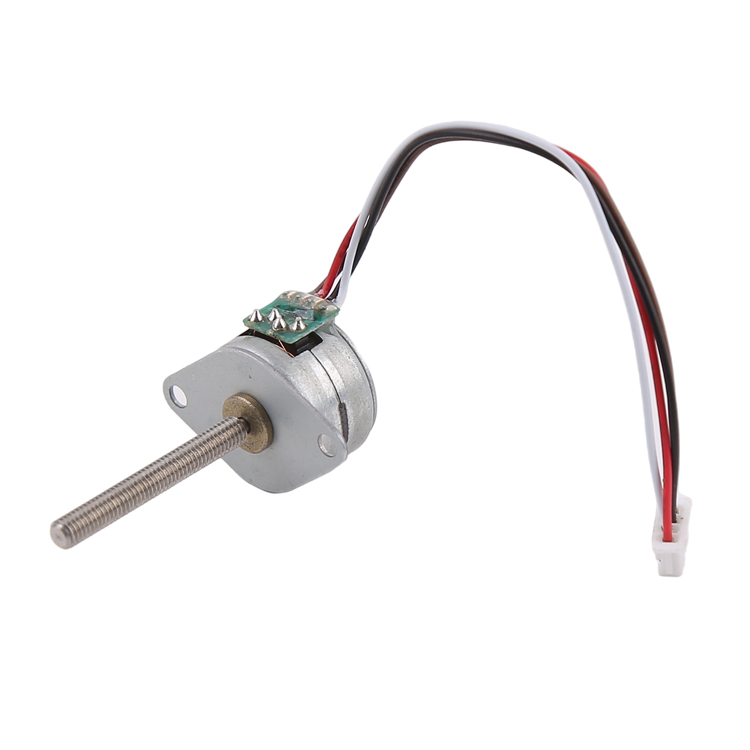
A micro geared stepper motor provides a practical solution by combining the positioning advantages of stepper motor technology with the torque multiplication effect of a gearbox.
Unlike standard miniature motors that focus mainly on rotation speed, geared stepper motors are designed for applications where controlled movement and higher output force are critical.
What Is a Micro Geared Stepper Motor?
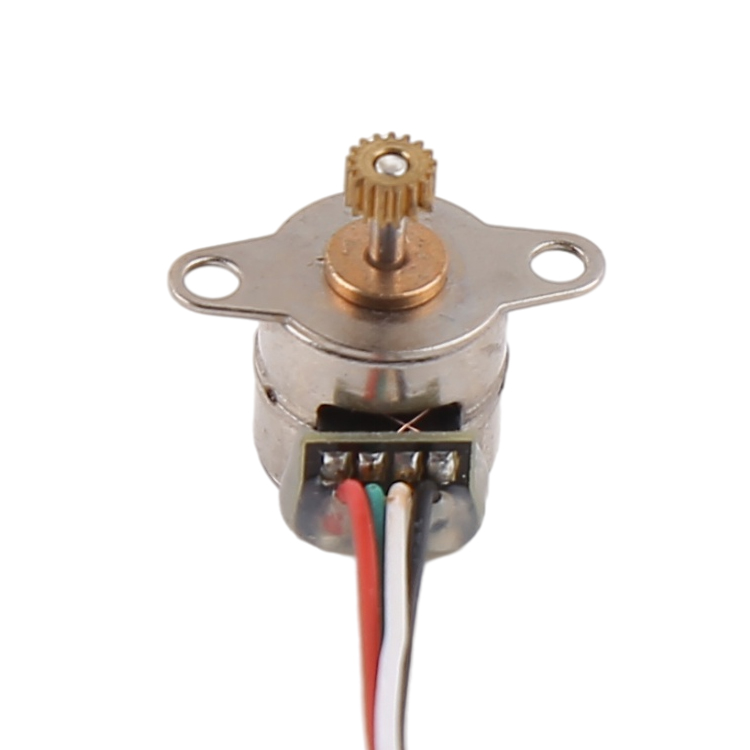
A micro geared stepper motor is a compact motion component that integrates a miniature stepper motor with a precision gearbox to increase output torque and improve mechanical performance.
The stepper motor provides:
- Accurate incremental movement
- Repeatable positioning
- Simple pulse-based control
- The gearbox provides:
- Higher output torque
- Reduced operating speed
- Improved load capability
A typical micro geared stepper motor system includes:
- Miniature stepper motor
- Precision gear reduction mechanism
- Output shaft
- Motor driver and controller
This combination allows engineers to achieve high torque from a small mechanical package.
Why Small Motors Have Difficulty Producing High Torque
Miniaturization creates several engineering limitations.
When the motor size decreases, engineers must deal with:
Reduced Magnetic Space
Smaller motors have less internal space for:
- Permanent magnets
- Rotor structure
- Copper windings
This limits electromagnetic torque generation.
Lower Heat Dissipation Capability
Compact motors have limited surface area for heat transfer.
Excessive heat can cause:
- Reduced efficiency
- Lower continuous torque
- Shortened component lifetime
Mechanical Load Challenges
Many compact devices require motors to drive:
- Lead screws
- Linear mechanisms
- Precision positioning stages
- Small actuators
The motor must provide enough torque while fitting into a restricted space.
This creates the fundamental engineering challenge:
How can a smaller motor generate enough force without increasing its physical size?
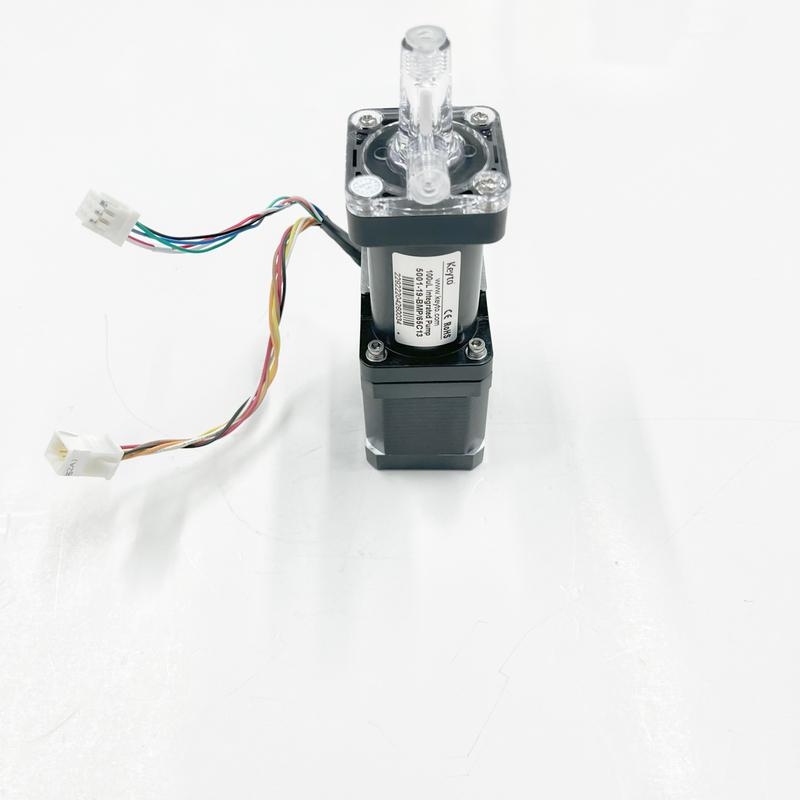
How Micro Geared Stepper Motors Increase Torque
1. Optimized Magnetic Circuit Design
The torque performance of a miniature stepper motor depends heavily on its electromagnetic structure.
Manufacturers improve torque density through:
- Improved rotor magnet design
- Optimized stator tooth geometry
- Reduced air gap
- Better magnetic flux distribution
A well-designed magnetic circuit allows more electrical energy to be converted into mechanical torque.
For compact precision equipment, hybrid stepper motor structures are commonly selected because they provide:
- High holding torque
- Accurate positioning
- Stable operation at low speeds
2. Gear Reduction Improves Output Torque
The main advantage of a geared design is torque multiplication.
The basic relationship is:
Output Torque = Motor Torque × Gear Ratio × Gear Efficiency
For example:
A motor combined with a 10:1 gearbox can provide significantly higher output torque while reducing rotational speed.
This is useful when the application requires:
- Strong pushing force
- Controlled movement
- Low-speed operation
- Stable positioning
A micro geared stepper motor allows engineers to replace larger motors while maintaining required mechanical performance.
3. Higher Torque Density Through Compact Design
Torque density refers to how much torque a motor produces relative to its size.
Improving torque density requires balancing:
- Magnetic performance
- Winding design
- Mechanical strength
- Thermal management
High torque density is especially important in:
- Portable medical devices
- Compact robots
- Precision instruments
- Automated inspection equipment
Where Micro Geared Stepper Motors Are Used
Medical Equipment Applications
Medical devices often require compact motors that can provide accurate and repeatable movement.
Typical applications include:
- Syringe pumps
- Drug dispensing systems
- Laboratory analyzers
- Diagnostic instruments
For example, in a syringe pump, the motor drives a lead screw mechanism to control plunger movement.
The motor must provide:
- Precise displacement
- Stable low-speed operation
- Consistent force output
A micro geared stepper motor is suitable because it provides controlled movement without requiring a large actuator.
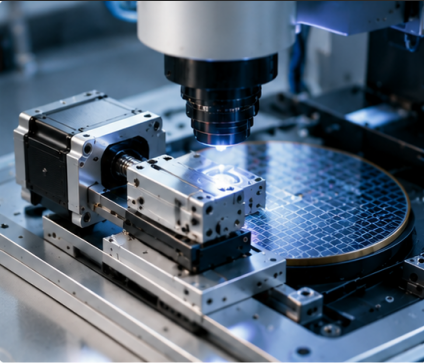
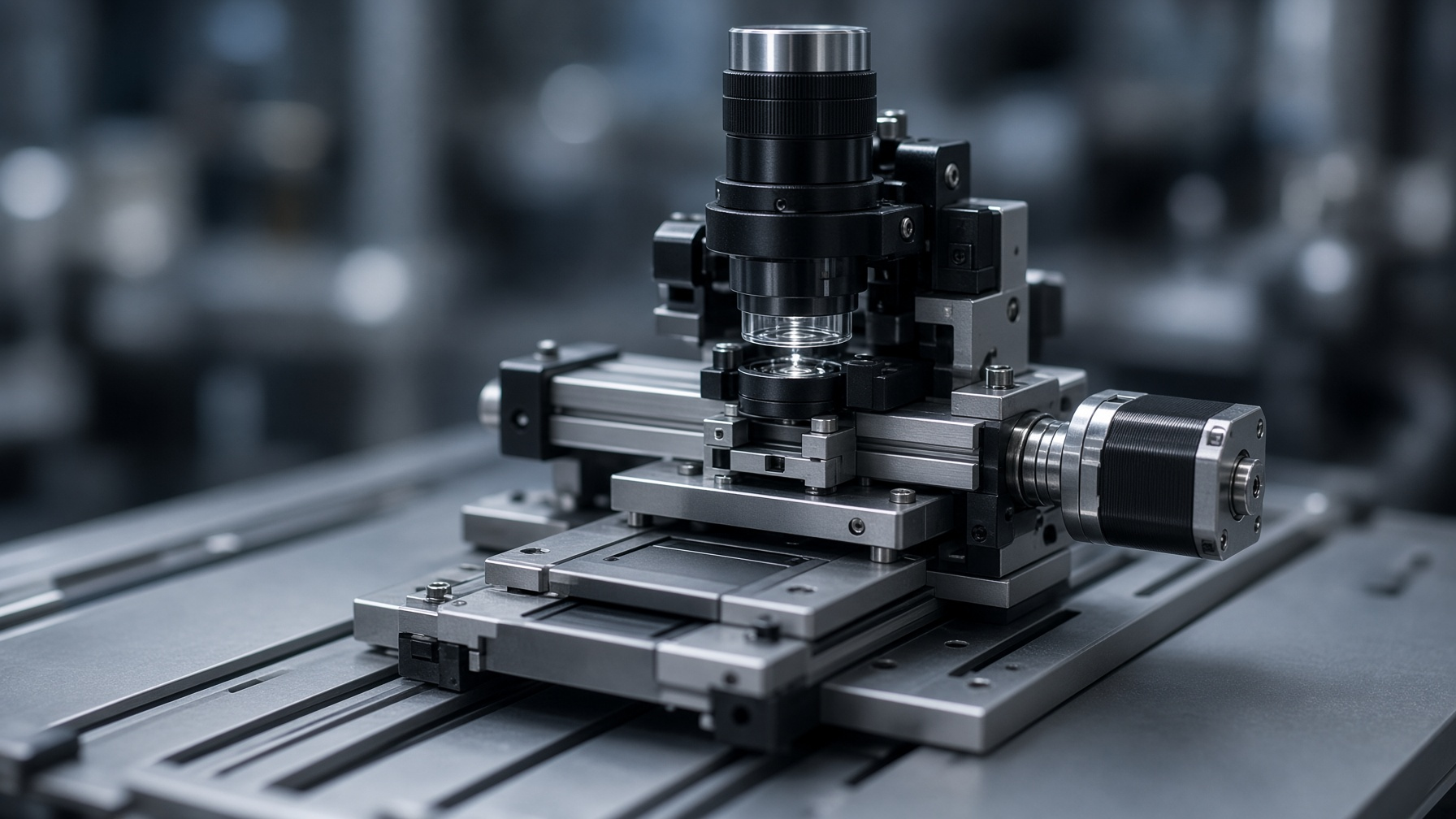
Semiconductor Inspection Equipment
Semiconductor manufacturing equipment requires extremely accurate positioning inside limited spaces.
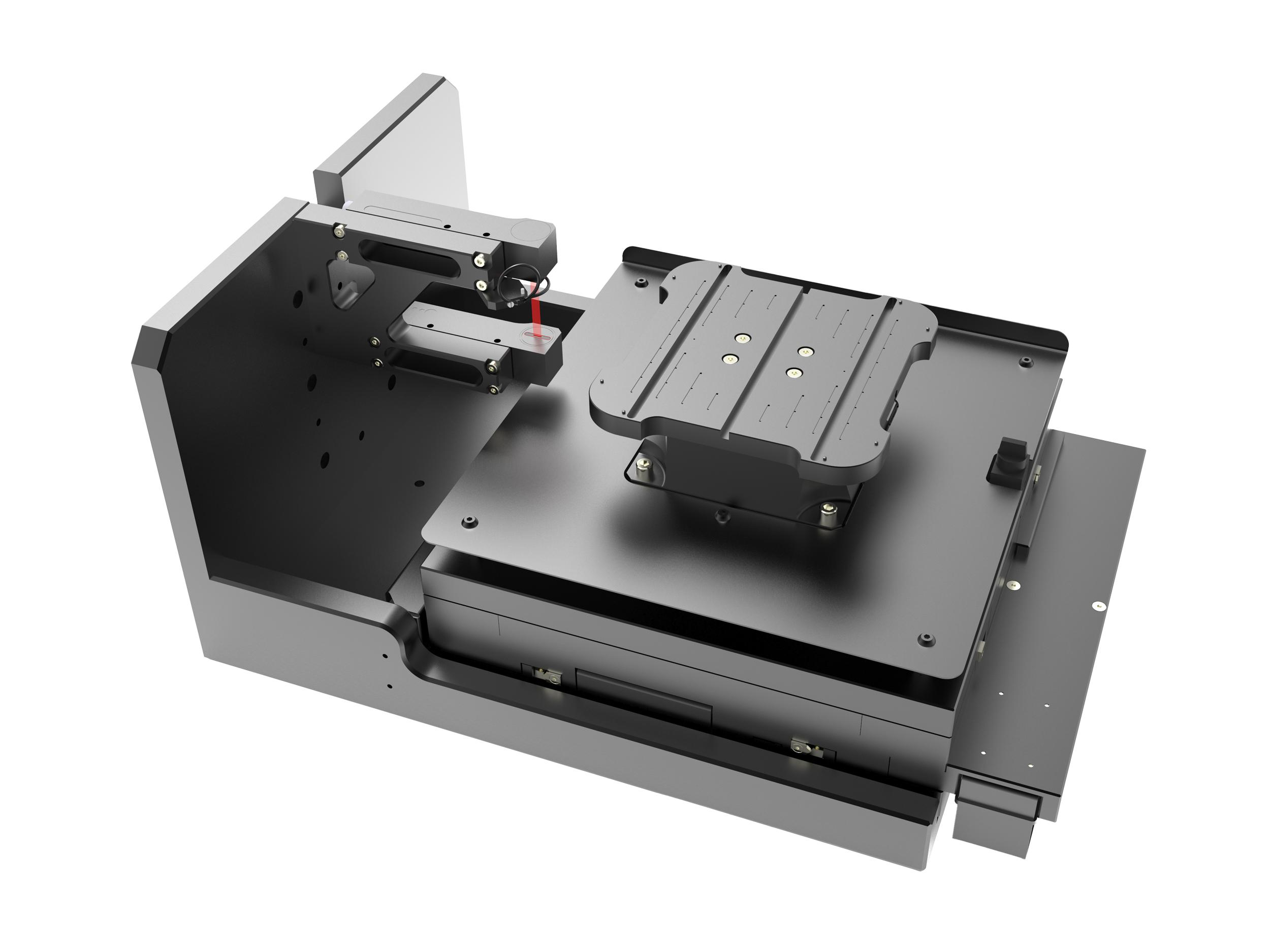
Common applications include:
- Optical adjustment modules
- Sensor positioning systems
- Wafer inspection equipment
- Testing platforms
Important requirements include:
- Small installation footprint
- Low vibration
- Repeatable positioning
- Reliable operation
Micro geared stepper motors help engineers achieve compact precision motion systems.
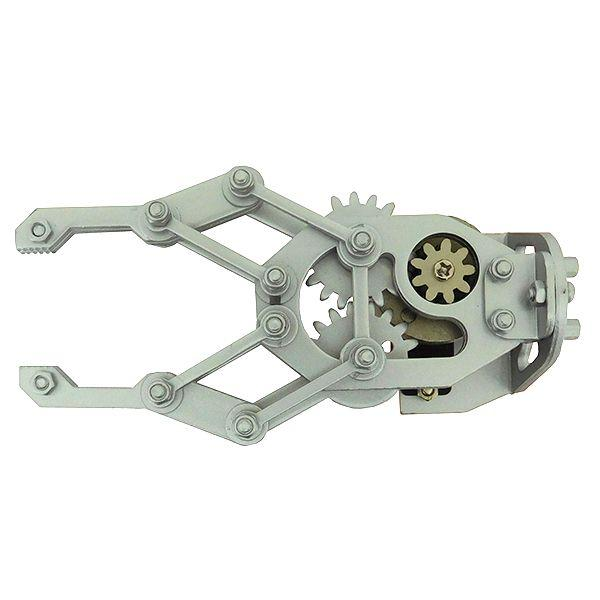
Robotics and Small Actuators
Small robotic systems require lightweight motors with sufficient mechanical output.
Applications include:
- Robotic grippers
- Small robotic joints
- Inspection robots
- Laboratory robots
Compared with conventional motors, geared stepper motors provide:
- Higher torque in a smaller package
- Simple control architecture
- Accurate movement control
Compact Automation Equipment
Automation manufacturers often face strict space limitations.
Applications include:
- Dispensing machines
- Feeding mechanisms
- Pick-and-place equipment
- Assembly systems
The motor needs to support:
- Frequent start-stop cycles
- Accurate positioning
- Stable operation
Micro Stepper Motor vs Micro Geared Stepper Motor
Choosing between a standard micro stepper motor and a geared version depends on application requirements.
| Feature | Micro Stepper Motor | Micro Geared Stepper Motor |
| Motor Structure | Stepper motor only | Stepper motor + gearbox |
| Output Torque | Limited by motor size | Increased through gear reduction |
| Speed | Higher rotational speed | Lower speed with higher torque |
| Position Accuracy | High | High |
| Load Capability | Medium | Higher |
| Installation Size | Smaller | Slightly longer |
| Best Application | Lightweight mechanisms | High-load compact systems |
For applications requiring more force at controlled speed, a micro geared stepper motor is usually the better option.
Micro Geared Stepper Motor Selection Guide
Selecting the correct motor requires matching the motor characteristics with the mechanical system.
Engineers should evaluate:
- Required output torque
- Operating speed
- Load conditions
- Installation space
- Position accuracy
- Duty cycle
Key Selection Parameters
| Parameter | Meaning | Engineering Consideration |
| Gear Ratio | Speed reduction level | Higher ratio provides more torque |
| Output Torque | Available mechanical force | Must exceed application load |
| Step Angle | Movement resolution | Determines positioning accuracy |
| Rated Voltage | Operating voltage | Must match power supply |
| Rated Current | Motor operating current | Affects heat generation |
| Output Speed | Final shaft speed | Influences machine cycle time |
| Backlash | Gear clearance | Important for precision movement |
| Motor Size | Physical dimensions | Determines installation compatibility |
How Engineers Choose the Right Micro Geared Stepper Motor
Before selecting a motor, consider these factors:
Mechanical Load
Evaluate:
- Required driving force
- Starting torque
- Acceleration requirements
- Safety margin
Motion Requirements
Check:
- Required positioning accuracy
- Operating speed
- Movement frequency
- Continuous operation time
Environment Conditions
Consider:
- Temperature
- Dust exposure
- Vibration
- Available installation space
Control Compatibility
Confirm:
- Driver voltage
- Current rating
- Controller interface
- Open-loop or closed-loop requirements
Micro Geared Stepper Motor Compared with Other Compact Motors
| Motor Type | Advantages | Limitations | Typical Applications |
| Micro Geared Stepper Motor | High torque and accurate positioning | Lower maximum speed | Medical, robotics, automation |
| Micro DC Gear Motor | Simple continuous rotation | Needs feedback for accuracy | Pumps, actuators |
| Micro Servo Motor | High precision with feedback | Higher cost | Advanced robotics |
| Brushless DC Motor | High efficiency and speed | More complex control | High-speed equipment |
The best choice depends on whether the system prioritizes torque, speed, accuracy, or control complexity.
Common Design Challenges and Solutions
Reducing Vibration
Stepper motors may experience resonance during operation.
Solutions include:
- Microstepping control
- Proper driver selection
- Optimized acceleration settings
- Mechanical damping
Managing Heat
Compact motors require careful thermal design.
Engineers can improve performance by:
- Selecting appropriate current settings
- Optimizing winding resistance
- Avoiding excessive loading
Balancing Size and Performance
Increasing torque often requires:
- Larger magnetic components
- Higher gear ratios
- Improved mechanical design
The final design must balance:
- Motor size
- Torque output
- Speed
- Cost
Frequently Asked Questions About Micro Geared Stepper Motors
1. What is a micro geared stepper motor?
A micro geared stepper motor is a compact motor that combines a miniature stepper motor with a gearbox to increase output torque while maintaining precise motion control.
2. Why do geared stepper motors produce higher torque?
The gearbox reduces speed and increases mechanical advantage, allowing the motor to generate higher output torque from a small package.
3. What applications use micro geared stepper motors?
They are commonly used in medical devices, robotics, semiconductor inspection systems, laboratory equipment, and compact automation machines.
4. Are micro geared stepper motors suitable for precision positioning?
Yes. They provide accurate incremental movement and are suitable for applications requiring repeatable positioning.
5. How do I select a micro geared stepper motor?
Selection should consider torque, gear ratio, speed, load requirements, installation space, accuracy, and operating conditions.
6. Can micro geared stepper motors be customized?
Yes. Manufacturers can customize motor dimensions, gear ratio, shaft design, voltage, torque output, and electrical specifications based on application requirements.
Key Takeaways
- Micro geared stepper motors achieve high torque in ultra-compact designs by combining efficient motor structures with precision gear reduction.
- Gear reduction increases output torque while maintaining accurate step-based motion control.
- Magnetic circuit optimization, rotor design, and thermal management are critical factors affecting motor performance.
- These motors are widely used in medical devices, robotics, semiconductor equipment, and compact automation systems.
- Proper selection requires evaluating torque, speed, gear ratio, accuracy, backlash, and operating environment.
- Customized micro geared stepper motor solutions help engineers develop smaller and more efficient motion systems.
Conclusion
Micro geared stepper motors provide engineers with a practical solution for applications that require high torque, accurate positioning, and limited installation space. By combining miniature stepper motor technology with precision gear reduction, these motors deliver reliable motion performance in demanding environments.
As medical equipment, robotics, and automation systems continue moving toward smaller designs, compact high-torque motion solutions will become increasingly important.
Choosing the right motor requires careful consideration of mechanical load, operating conditions, and system requirements.
Welcome to contact us for customized stepper motor solutions. We provide professional support for motor selection, gearbox design, and application-specific motion systems.