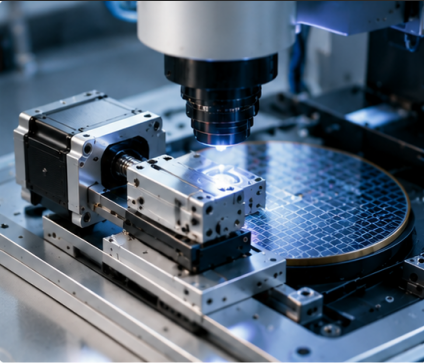
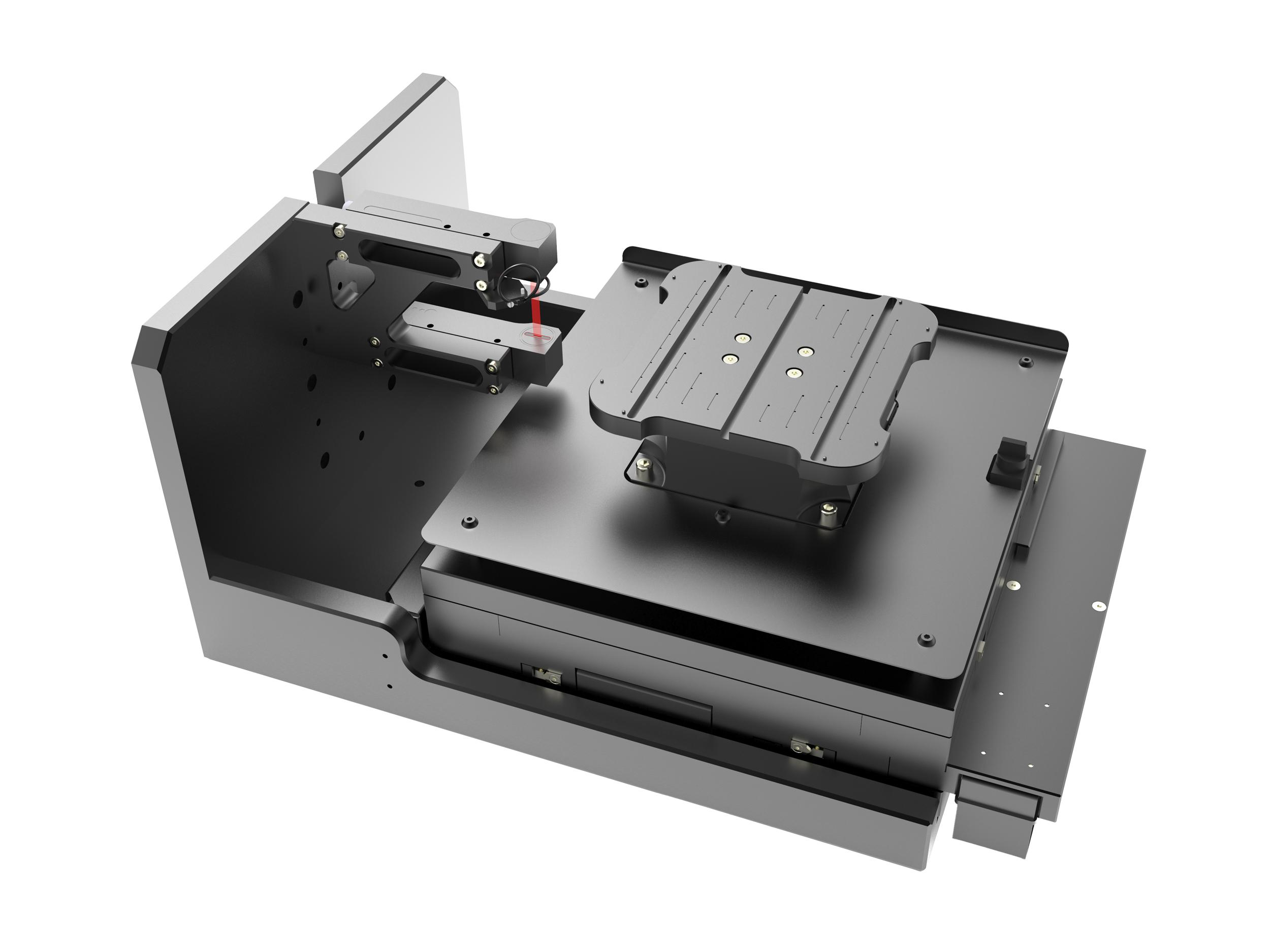
Geared stepper motors are revolutionizing precision motion control across industries, combining the accuracy of traditional stepper motors with the power-boosting capabilities of integrated gear systems. These hybrid motors deliver superior performance in applications requiring high torque, precise positioning, and reliable operation in compact spaces.
Dans cet article, nous examinerons en détail les avantages uniques des moteurs pas à pas à réduction, leurs principes de fonctionnement et les raisons pour lesquelles ils surpassent les moteurs pas à pas classiques dans les applications exigeantes.
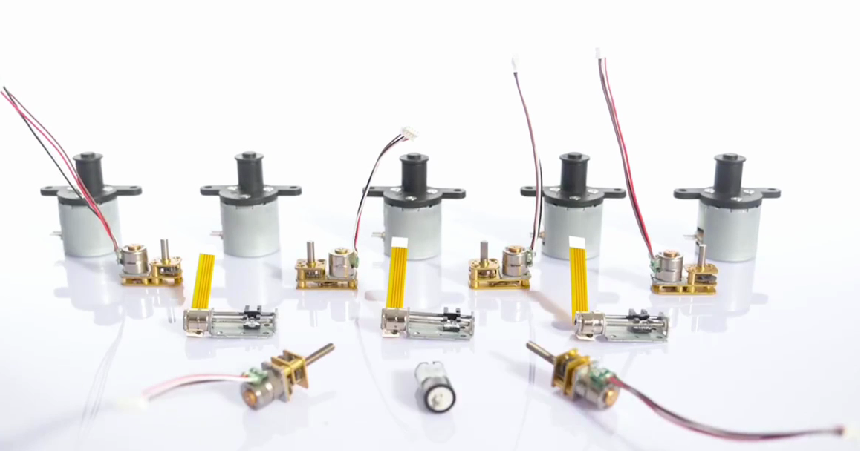
How Geared Stepper Motors Work
A geared stepper motor consists of two core components:
Stepper Motor: Generates precise rotational movements through electromagnetic pulses.
Gearbox: Reduces the motor’s output speed while multiplying torque.
Key Mechanism:
The motor’s rotor turns in discrete “steps” (e.g., 1.8° per step).
La boîte de vitesses utilise des rapports d’engrenage (par exemple, 10:1, 50:1) pour convertir une entrée à haute vitesse et faible couple en une sortie à basse vitesse et fort couple.
This combination ensures exact positioning while handling heavier loads than standalone steppers.
Top 7 Advantages of Geared Stepper Motors
1. Significantly Higher Torque Output
Multiplication du couple : Un rapport d’engrenage de 10:1 peut augmenter le couple jusqu’à 10 fois par rapport à un moteur pas à pas à entraînement direct.
Compact Power: Achieves high torque without requiring a larger motor, ideal for space-constrained systems like robotic arms or medical devices.
Improved Low-Speed Performance: Delivers consistent torque even at ultra-low speeds, critical for micro-positioning tasks.
2. Enhanced Precision & Reduced Backlash
Minimized Backlash: High-quality gears (e.g., planetary gears) reduce play between teeth, ensuring repeatable accuracy within ±0.1°.
Step Refinement: Smaller effective step angles (e.g., 0.072° with a 25:1 gear ratio) enable finer control for applications like 3D printing or optical alignment.
3. Energy Efficiency & Reduced Motor Strain
Optimized Power Use: Gears allow the motor to operate at its optimal RPM range, lowering power consumption by up to 30%.
Load Protection: The gearbox absorbs shock loads, preventing motor stalling and extending lifespan in industrial machinery or conveyor systems.
4. Smooth, Quiet Operation
Vibration Damping: Gears reduce resonance and cogging effects, resulting in smoother motion for lab equipment or consumer electronics.
Noise Reduction: Precision-machined gears operate at <40 dB, making them suitable for medical imaging or office automation.
5. Compact & Space-Saving Design
Integrated System: Combines motor and gearbox into a single unit, saving up to 50% space compared to separate motor-gear setups.
Scalable Sizes: Available in diameters from 6mm (micro motors) to 35mm (industrial-grade), fitting applications from wearable devices to factory robots.
6. Durability in Harsh Environments
Sealed Gearboxes: Options with IP65/IP67 ratings resist dust, moisture, and chemicals for food processing or outdoor robotics.
High-Temperature Tolerance: Metal gears withstand continuous operation at up to 100°C, ideal for automotive or aerospace systems.
7. Cost-Effective Performance
Réduction de la complexité du système : élimine le besoin de réducteurs externes, diminuant ainsi les coûts d’assemblage et de maintenance.
Long Service Life: Hardened steel gears provide >10,000 hours of operation in packaging machinery or HVAC controls.
Key Applications of Geared Stepper Motors
| Industry | Applications | Why Geared Steppers Excel |
| Robotics | Robotic joints, grippers, AGVs | High torque + precise positioning |
| Medical | Surgical robots, MRI beds, infusion pumps | Smooth, quiet, and sterilizable |
| Automation | CNC machines, 3D printers, pick-and-place systems | Micro-step accuracy + shock resistance |
| Automotive | EV battery assembly, mirror adjustments, valve control | Compact size + vibration resistance |
| Consumer Electronics | Camera lenses, drones, smart locks | Energy efficiency + silent operation |
Choosing the Right Moteur pas à pas à engrenages
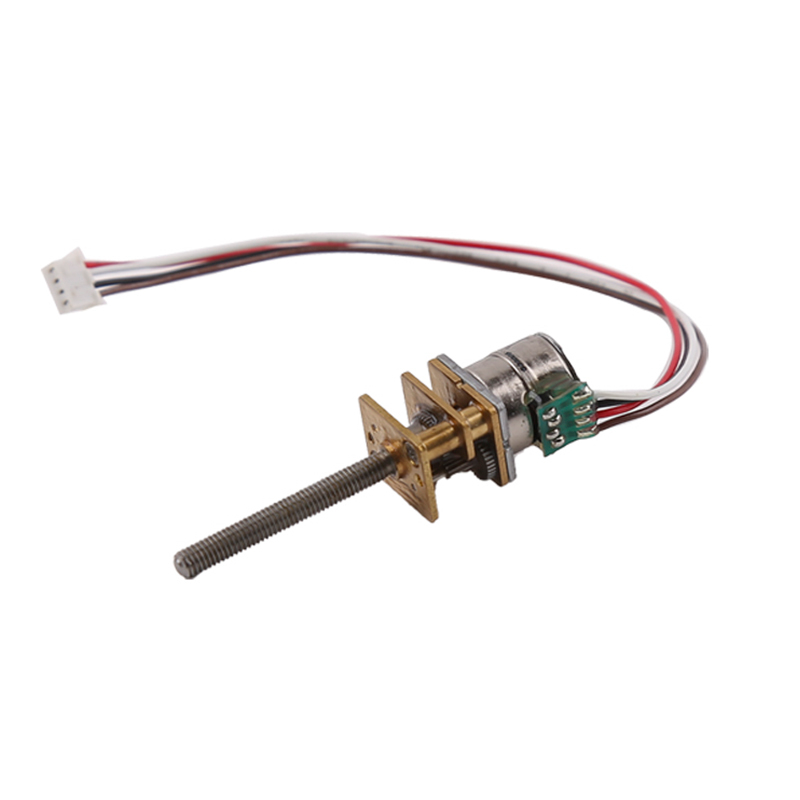
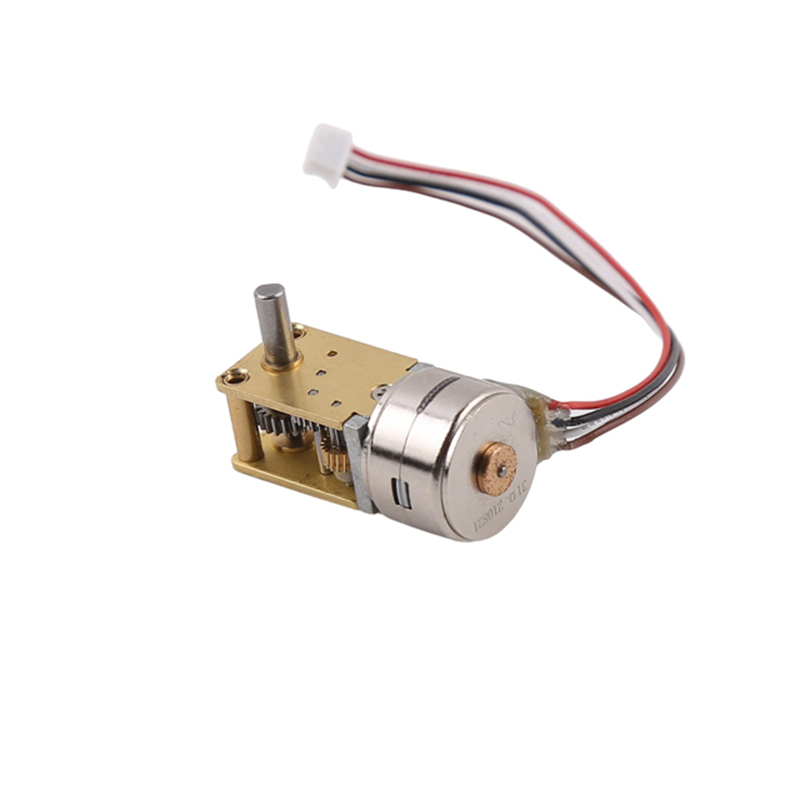
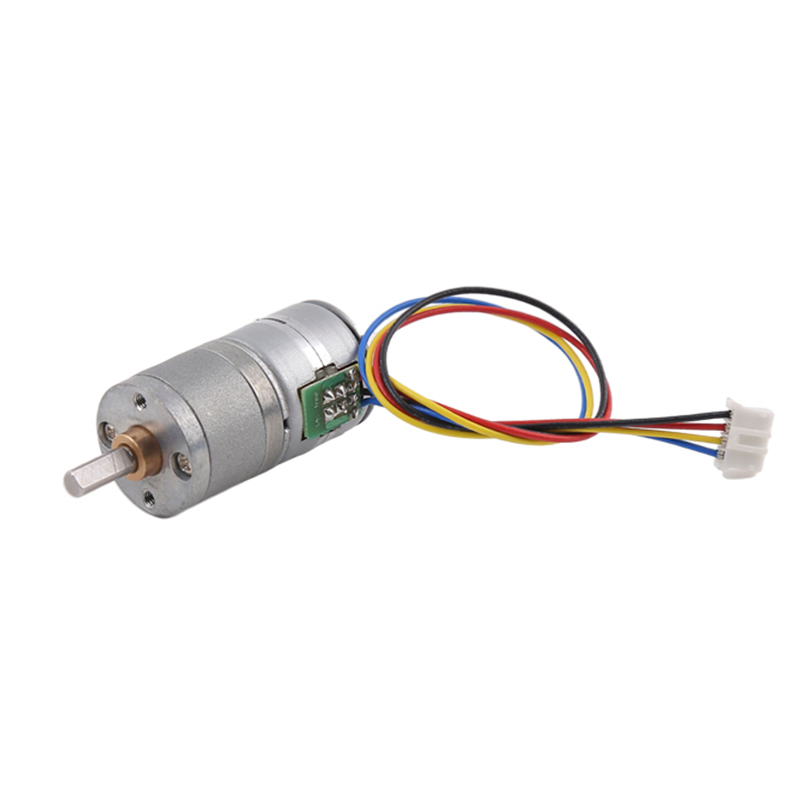
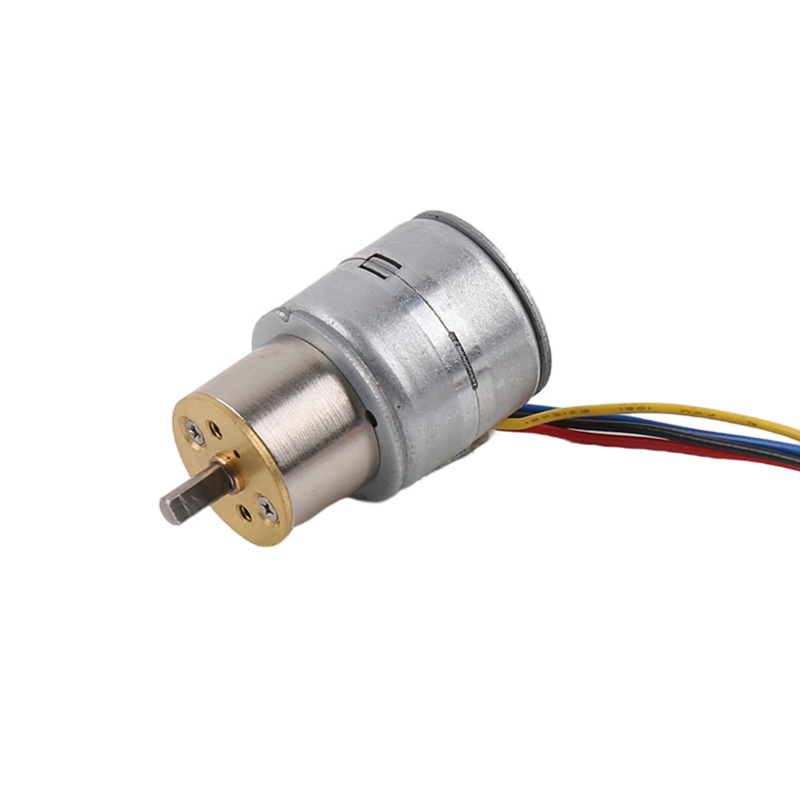
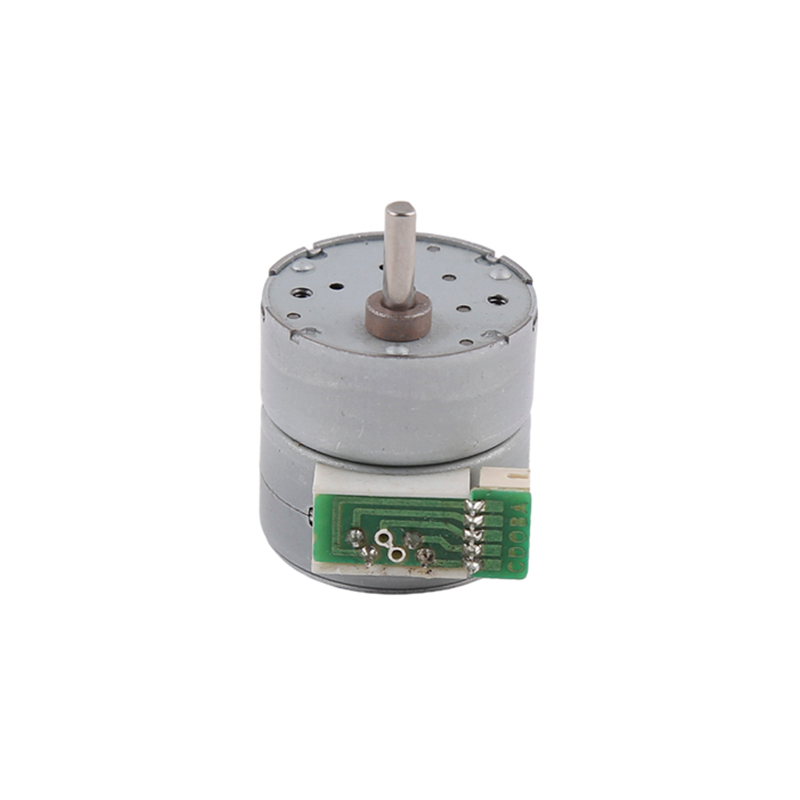
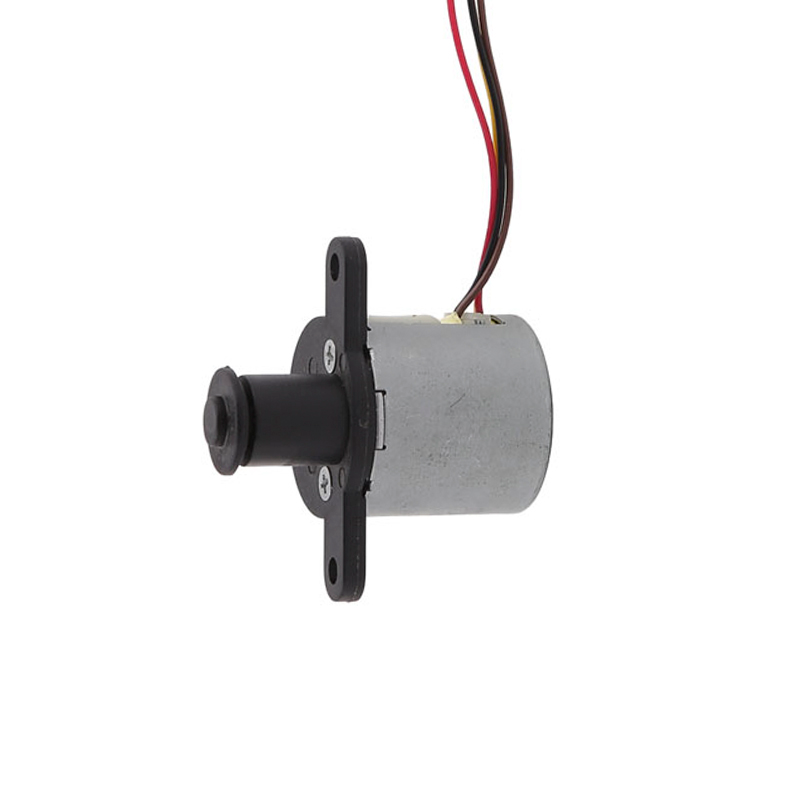
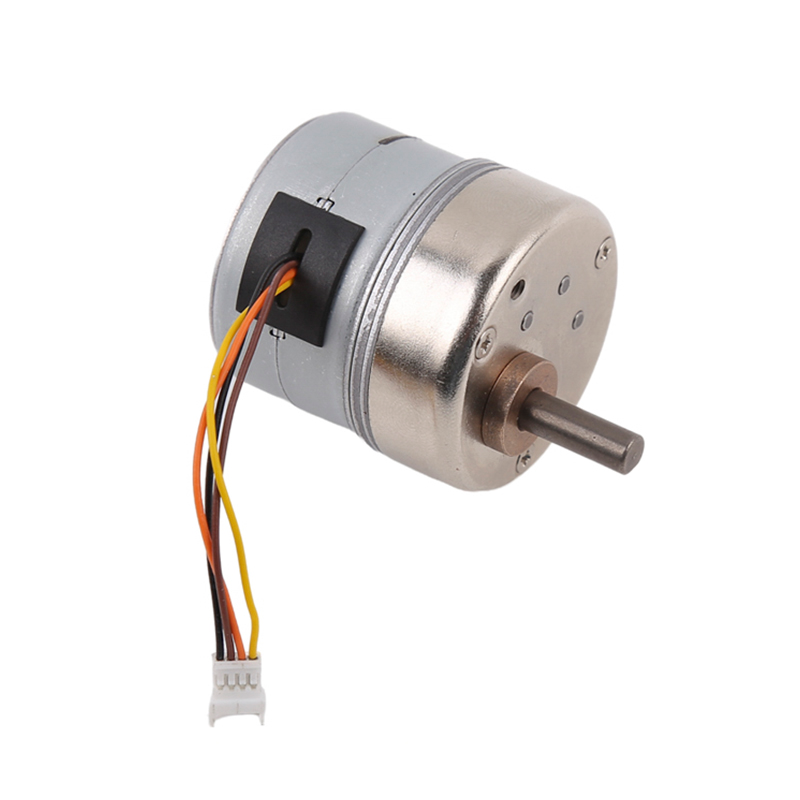
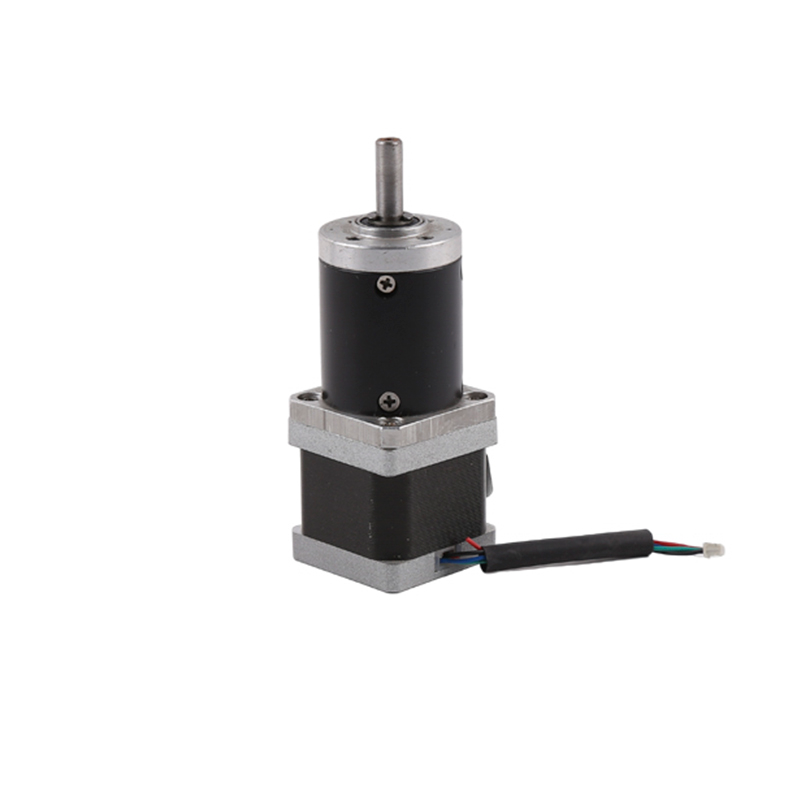
Consider these factors for optimal performance:
Gear Ratio: Higher ratios maximize torque but reduce speed.
Gear Type:
Planetary Gears: Best for precision (low backlash).
Spur Gears: Cost-effective for light loads.
Worm Gears: Self-locking for vertical applications.
Size: Match motor diameter (6mm–35mm) to space constraints.
Environment: Opt for sealed gearboxes in dusty/wet conditions.
Conclusion
Geared stepper motors offer unparalleled advantages for applications demanding high torque, sub-millimeter precision, and compact design. By integrating a gearbox directly into the motor assembly, they solve critical challenges in robotics, medical technology, and industrial automation—delivering longer lifespan, energy savings, and superior control compared to standard stepper motors.
Whether you’re designing a miniature drone requiring a 10mm motor or an assembly line robot needing a robust 35mm unit, geared stepper motors provide the perfect blend of power, precision, and reliability.