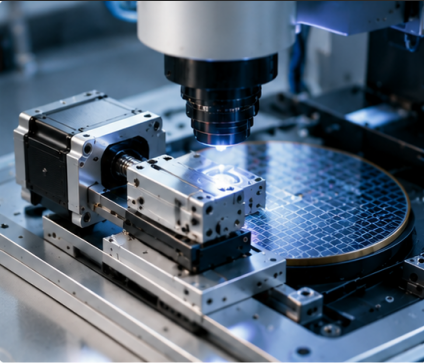
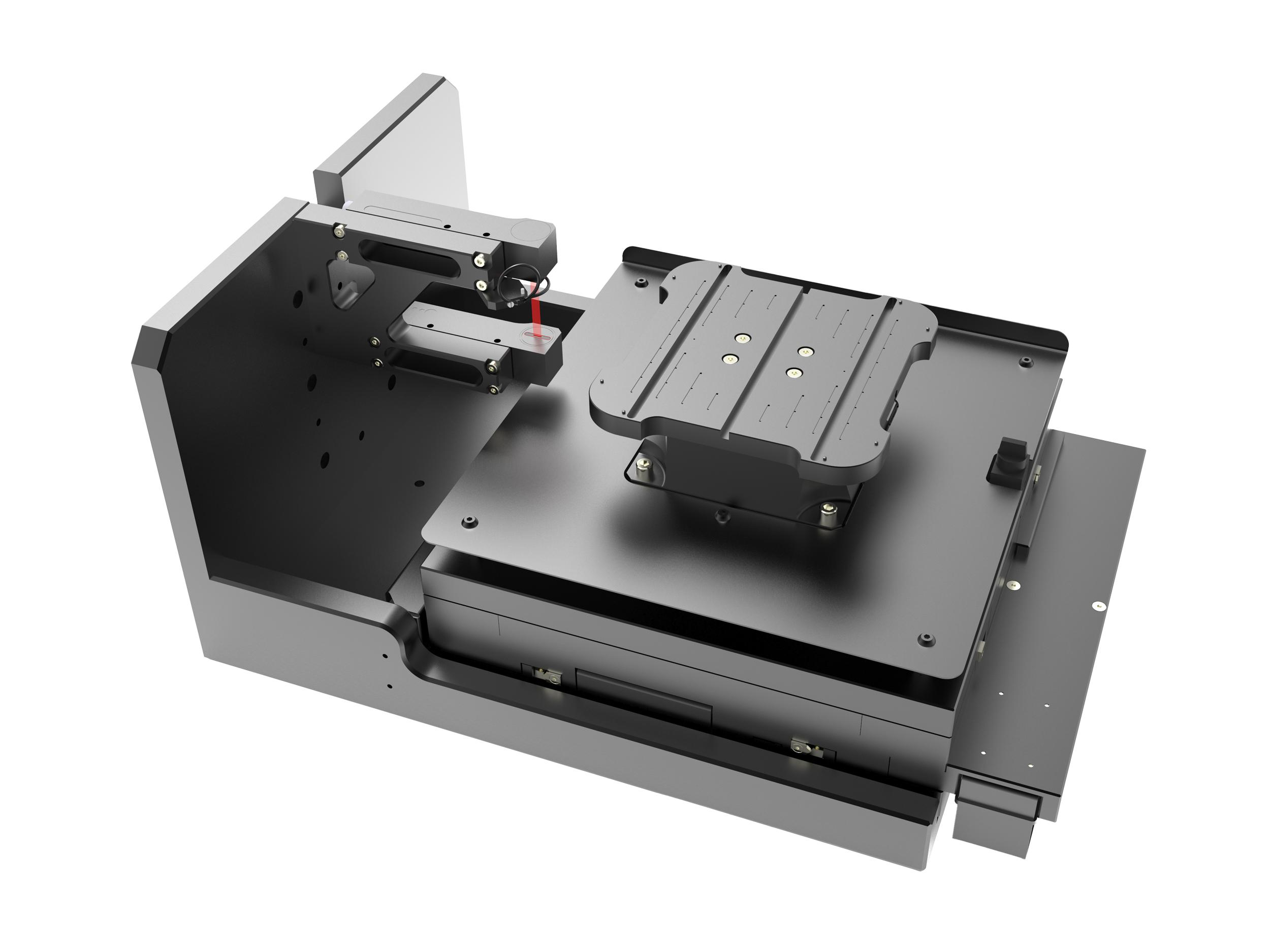
In the world of precise motion control, micro linear stepper motors stand out for their ability to provide accurate, repeatable positioning in compact applications. These small but powerful motors are commonly used in robotics, medical devices, 3D printers, and automated machinery, where high precision and controlled movement are essential. Understanding how to control the speed and torque of a micro linear stepper motor is crucial for optimizing performance and ensuring your project runs smoothly.
In this article, we’ll explore the key concepts behind controlling the speed and torque of micro linear stepper motors, the factors that affect their performance, and the best techniques to manage these parameters.
What is a Micro Linear Stepper Motor?
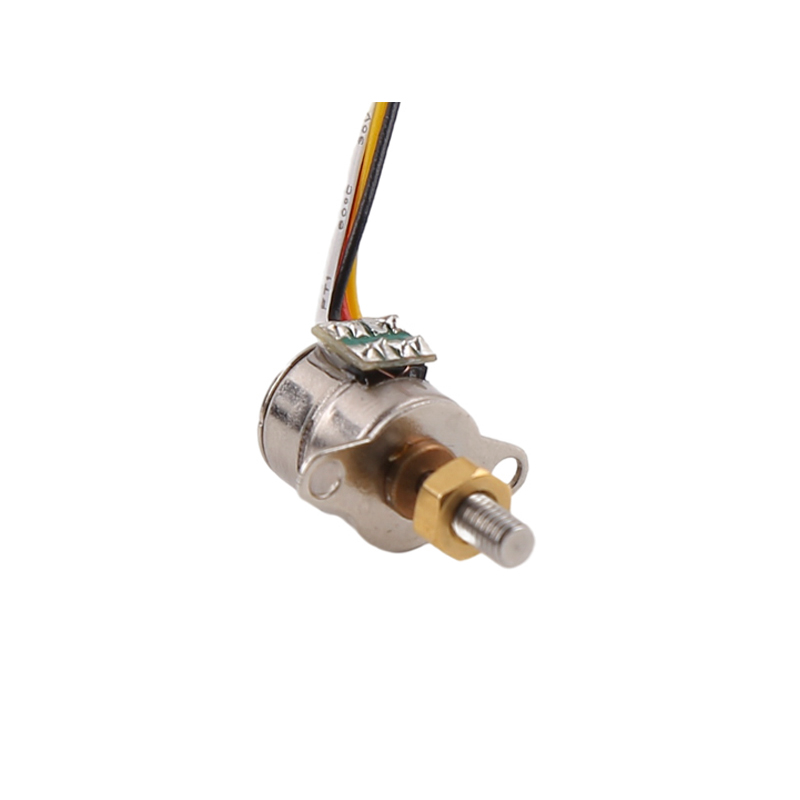
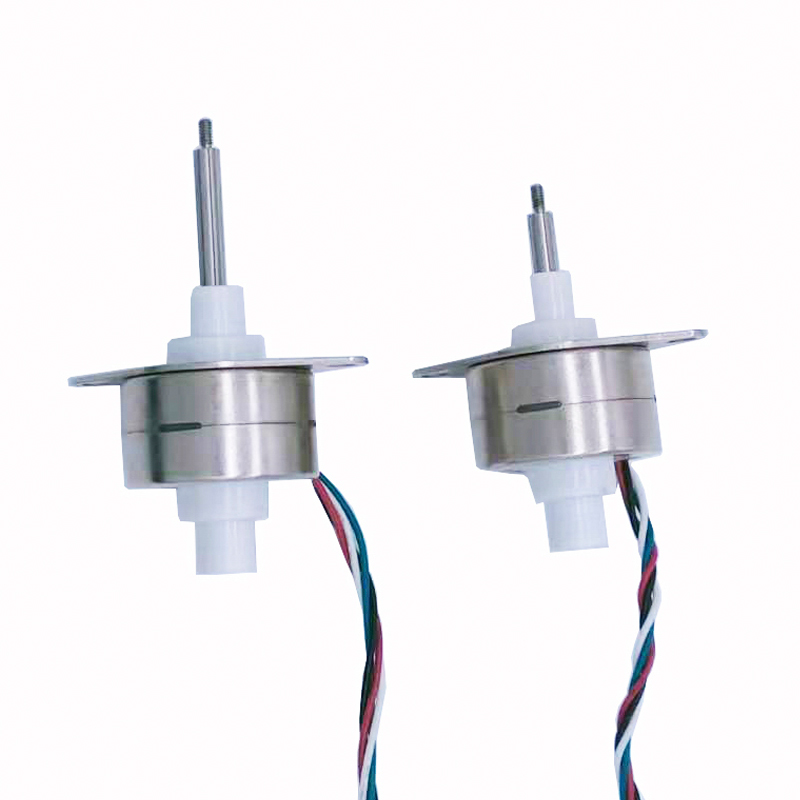
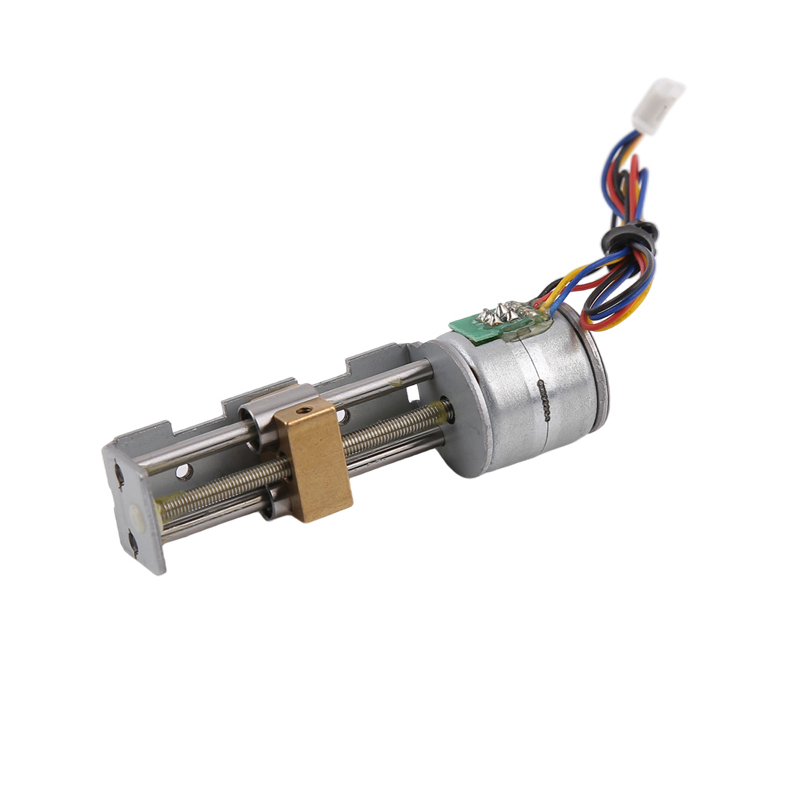
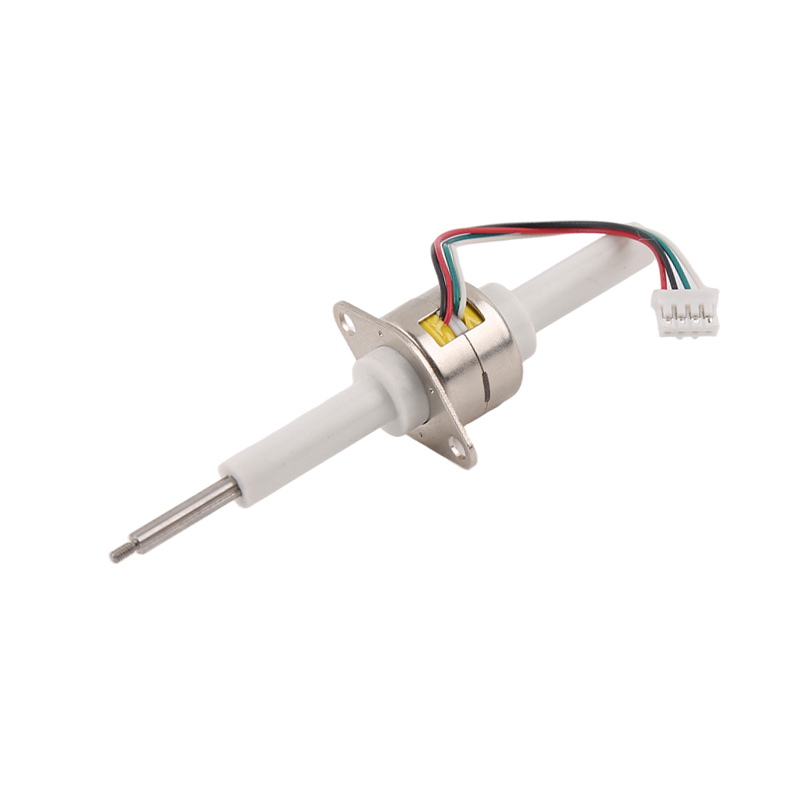
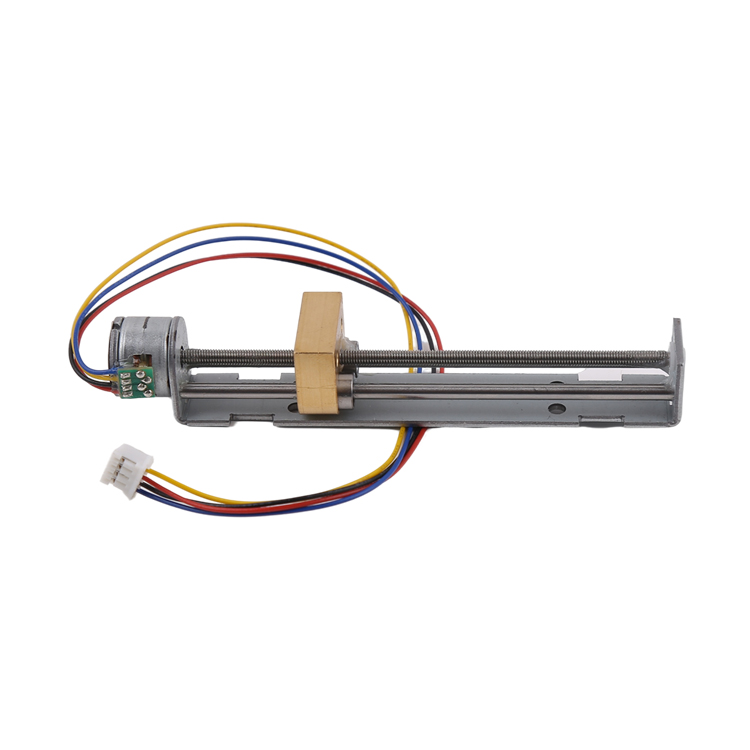
A micro linear stepper motor is a type of stepper motor that produces linear motion instead of rotational motion. These motors work by converting electrical pulses into discrete steps, which results in precise, controlled movement. They are ideal for applications where space is limited, but high accuracy and reliability are required.
En règle générale, les micro-moteurs pas à pas linéaires sont équipés d’actionneurs linéaires intégrés, ce qui leur permet de déplacer directement une charge le long d’une trajectoire rectiligne, sans avoir besoin d’éléments mécaniques supplémentaires tels que des engrenages ou des courroies.
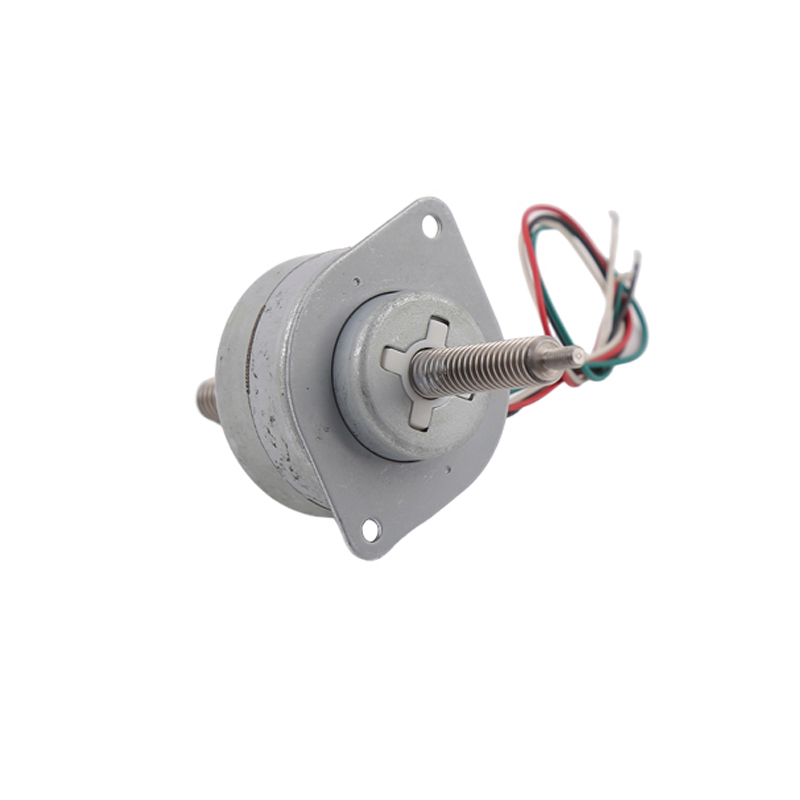
Factors Affecting Speed and Torque
Before diving into how to control the speed and torque, it’s essential to understand the factors that influence these performance characteristics in a micro linear stepper motor.
1. Current Input
The speed and torque of a stepper motor are directly influenced by the current supplied to the motor coils. Increasing the current typically increases both torque and speed. However, pushing too much current can lead to overheating, reducing the motor’s efficiency and lifespan.
2. Voltage
The operating voltage of the micro linear stepper motor also affects its speed. Higher voltages can enable the motor to reach higher speeds, especially at low loads. However, excessive voltage can result in overheating and unnecessary power consumption.
3. Step Resolution
La résolution par pas détermine avec quelle finesse le moteur peut diviser un tour complet. Pour les micro-moteurs pas à pas linéaires, la résolution se présente souvent sous forme de micro-pas (par exemple, 1/16 de pas, 1/32 de pas), ce qui permet un mouvement plus fluide et un contrôle plus précis. Plus la résolution est fine, plus il y a de pas par unité de distance, ce qui signifie un contrôle plus précis aussi bien de la vitesse que de la position.
4. Load
The load on the micro linear stepper motor plays a significant role in determining both torque and speed. If the load is too high, the motor will struggle to maintain speed and torque. It’s essential to consider the weight and inertia of the load when designing the system and calculating the required torque.
5. Driver Settings
The motor driver plays a critical role in controlling both speed and torque. Many modern stepper drivers offer features like current limiting, microstepping, and advanced control algorithms that help in fine-tuning performance. Choosing the right driver is crucial for optimizing the micro linear stepper motor’s behavior.
How to Control the Speed of a Micro Linear Stepper Motor
Controlling the speed of a micro linear stepper motor involves adjusting the frequency of the step pulses that are sent to the motor. Here are the primary methods to control speed:
1. Pulse Rate Adjustment
La méthode la plus courante pour contrôler la vitesse consiste à ajuster la fréquence des impulsions de pas. Une fréquence d’impulsions plus élevée entraîne une vitesse du moteur plus rapide, tandis qu’une fréquence plus basse ralentit le moteur. En effet, le moteur effectue un pas par impulsion ; ainsi, augmenter la cadence des impulsions accroît la distance parcourue par unité de temps, ce qui est directement lié à la vitesse.
Higher Pulse Rate: Faster speed
Lower Pulse Rate: Slower speed
La vitesse peut être calculée selon la formule suivante :
Speed=Pulse Rate×Step SizeMotor Gear Ratio\text{Speed} = \frac{\text{Pulse Rate} \times \text{Step Size}}{\text{Motor Gear Ratio}}Speed=Motor Gear RatioPulse Rate×Step Size
2. Microstepping
Many micro linear stepper motors support microstepping, where the motor takes smaller steps within a full step cycle. By increasing the number of micro-steps per full step, you can achieve smoother motion and finer speed control. Microstepping allows for finer resolution but can slightly reduce the maximum achievable speed compared to full stepping.
3. Acceleration/Deceleration Control
La plupart des pilotes de moteurs pas à pas modernes permettent de programmer les taux d’accélération et de décélération. Augmenter progressivement la vitesse réduit le risque de dépassement ou de saut de pas, ce qui est particulièrement important dans les applications nécessitant une grande précision. Une courbe d’accélération douce diminue également le risque d’endommager le moteur et la charge.
How to Control the Torque of a Micro Linear Stepper Motor
Torque is a critical factor in determining the motor’s ability to move loads. The torque of a micro linear stepper motor is primarily controlled by adjusting the current supplied to the motor. Here’s how you can control torque effectively:
1. Current Limiting
L’un des moyens les plus efficaces de contrôler le couple est de fixer une limite de courant sur le pilote. En ajustant cette limite, vous pouvez déterminer le couple maximal que le moteur sera capable de produire. Un courant plus élevé engendre un couple plus élevé, mais il convient d’équilibrer cet aspect avec des considérations thermiques afin d’éviter toute surchauffe.
Higher Current = Higher Torque
Lower Current = Lower Torque
De nombreux pilotes de moteurs pas à pas offrent la possibilité de régler les limites de courant de différentes manières, notamment en définissant un courant de crête et un courant de maintien. Le courant de maintien correspond au courant appliqué lorsque le moteur est immobile, tandis que le courant de crête est utilisé lorsque le moteur est en mouvement.
2. Voltage Control
Voltage control can also affect the torque, especially at high speeds. At lower voltages, the torque tends to decrease as the speed increases. Increasing the voltage can allow the micro linear stepper motor to maintain its torque even at higher speeds.
3. Using a Suitable Driver
The choice of driver plays a crucial role in determining both speed and torque characteristics. Advanced stepper drivers with features like current regulation, microstepping, and high-voltage operation can help optimize the torque output of your micro linear stepper motor.
4. Adjusting the Step Resolution
As mentioned, microstepping allows for finer control over the motor’s position and torque output. By reducing the step size, the motor can distribute its torque more evenly, which helps in maintaining a consistent force during operation.
Best Practices for Controlling Speed and Torque
Here are some additional tips and best practices to ensure optimal performance when controlling the speed and torque of a micro linear stepper motor:
Choose the Right Motor for Your Application: Ensure the micro linear stepper motor is capable of providing enough torque for your load. Choosing a motor with a higher torque rating than required can provide more headroom, reducing the risk of the motor stalling.
Use a High-Quality Driver: A reliable and efficient stepper driver ensures stable current and voltage, translating into more consistent speed and torque.
Keep the Motor Cool: Heat is one of the biggest enemies of stepper motors. Use heat sinks, fans, or active cooling systems to maintain a safe operating temperature.
Monitor Load Conditions: Always be mindful of how varying load conditions affect your motor’s performance. If the load increases or the system becomes more demanding, you may need to adjust the current or speed settings.
Conclusion
Controlling the speed and torque of a micro linear stepper motor is a combination of understanding the motor’s parameters and using the right tools and techniques. By adjusting the current, voltage, step resolution, and pulse rate, you can fine-tune the motor’s performance to suit your application.
Whether you’re building a compact robotic arm or a precise automated tool, mastering the control of micro linear stepper motors will ensure smooth, efficient, and accurate motion control. Proper motor driver selection and system design will not only help you optimize the motor’s performance but also enhance the overall reliability and longevity of your system.
En équilibrant soigneusement les facteurs de vitesse, de couple et de charge, vous pourrez obtenir la précision et la puissance requises pour votre application spécifique.