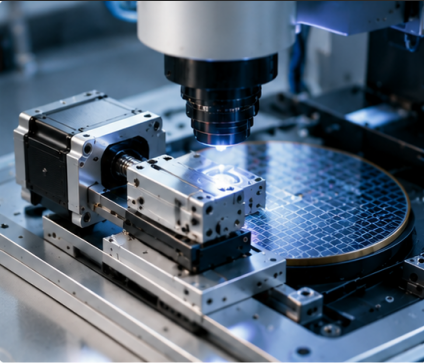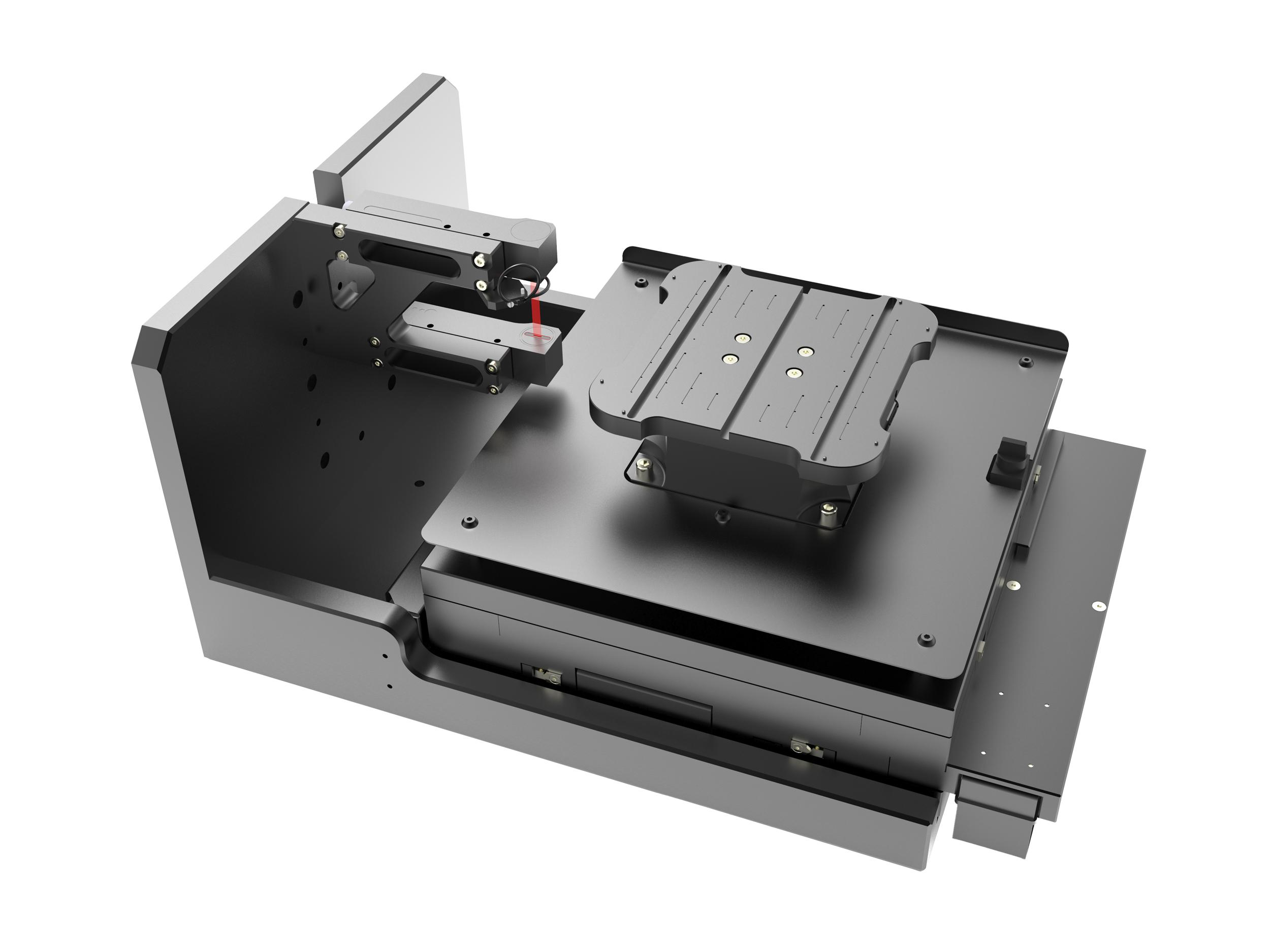

In the world of precise motion control, micro linear stepper motors stand out for their ability to provide accurate, repeatable positioning in compact applications. These small but powerful motors are commonly used in robotics, medical devices, 3D printers, and automated machinery, where high precision and controlled movement are essential. Understanding how to control the speed and torque of a micro linear stepper motor is crucial for optimizing performance and ensuring your project runs smoothly.
In this article, we’ll explore the key concepts behind controlling the speed and torque of micro linear stepper motors, the factors that affect their performance, and the best techniques to manage these parameters.
What is a Micro Linear Stepper Motor?
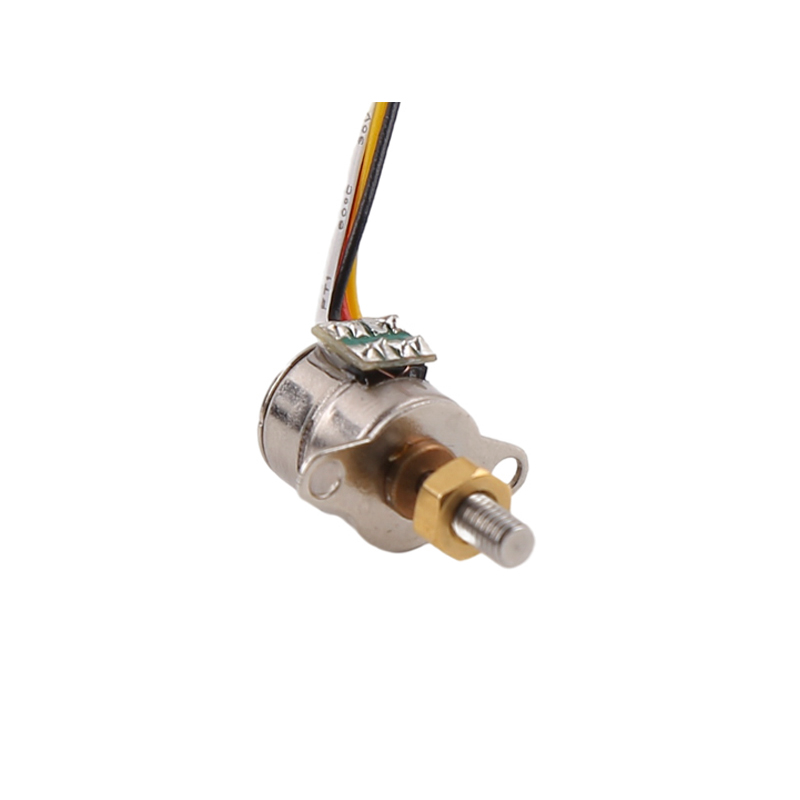
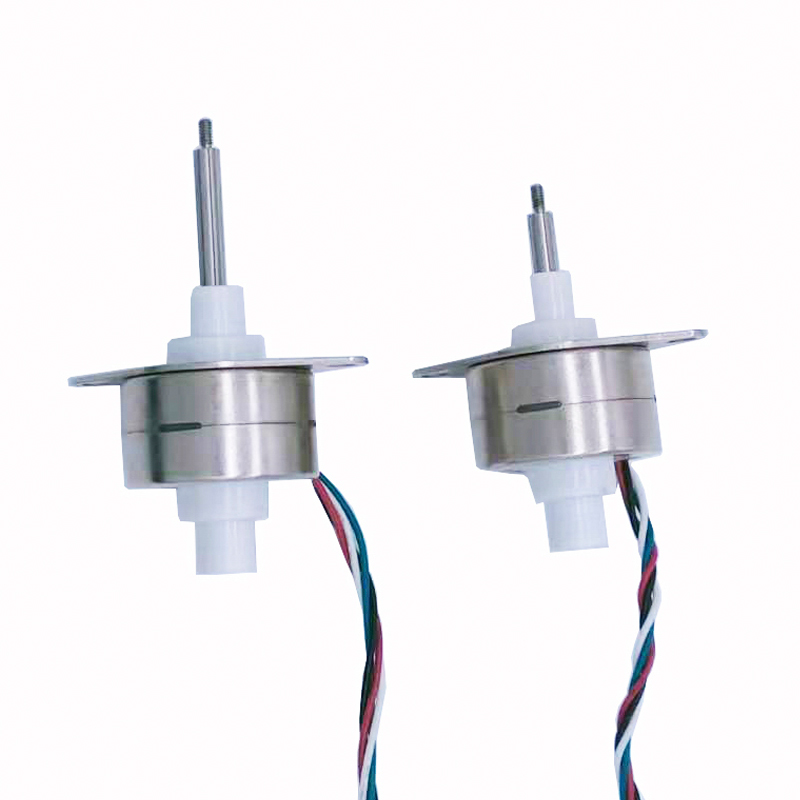
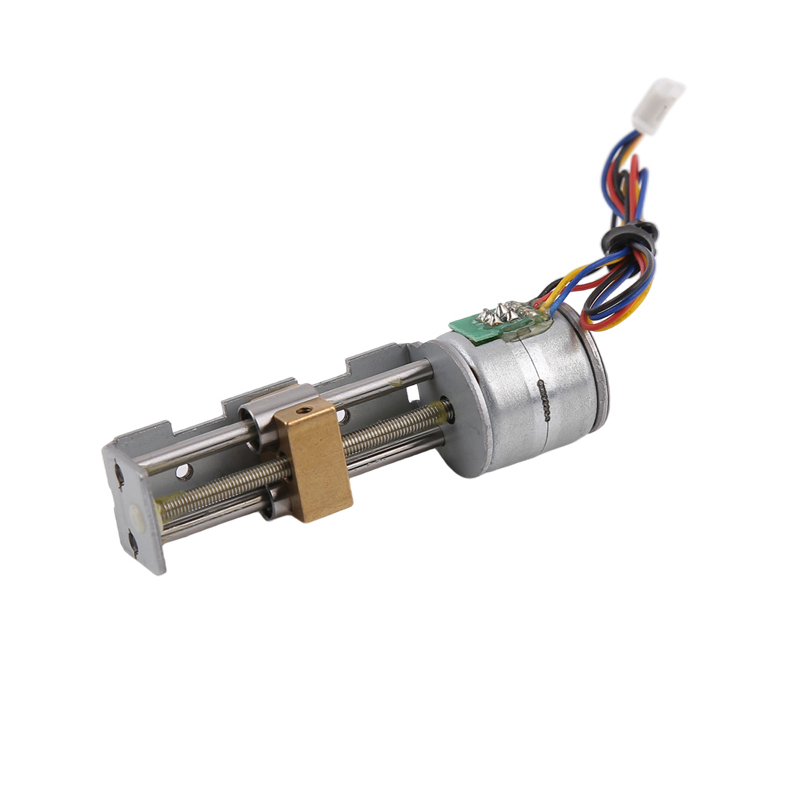
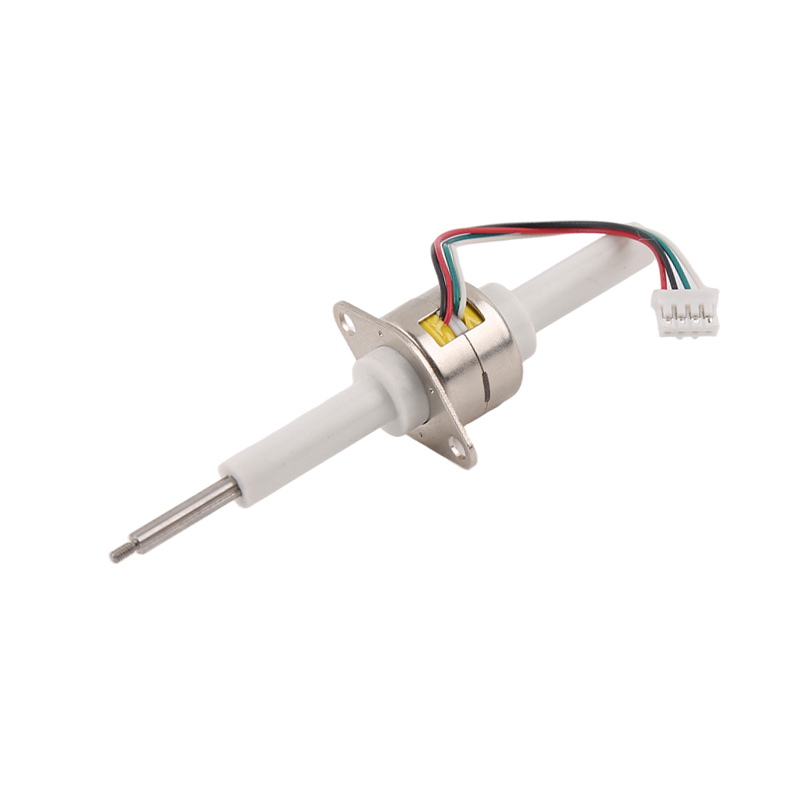
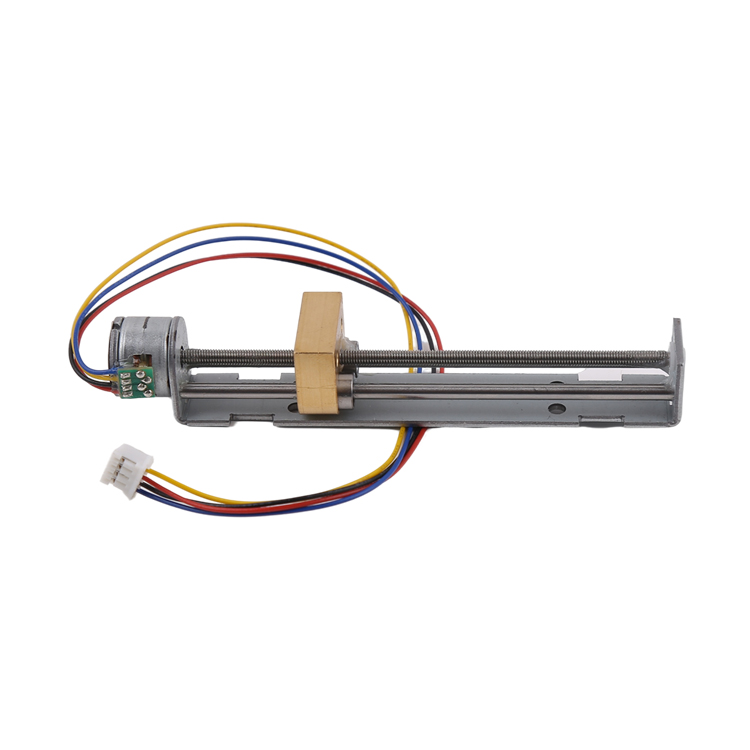
A micro linear stepper motor is a type of stepper motor that produces linear motion instead of rotational motion. These motors work by converting electrical pulses into discrete steps, which results in precise, controlled movement. They are ideal for applications where space is limited, but high accuracy and reliability are required.
Normalmente, os motores de passo lineares micro vêm com atuadores lineares integrados, permitindo que movimentem diretamente uma carga ao longo de um trajeto linear, sem a necessidade de componentes mecânicos adicionais, como engrenagens ou correias.
Factors Affecting Speed and Torque
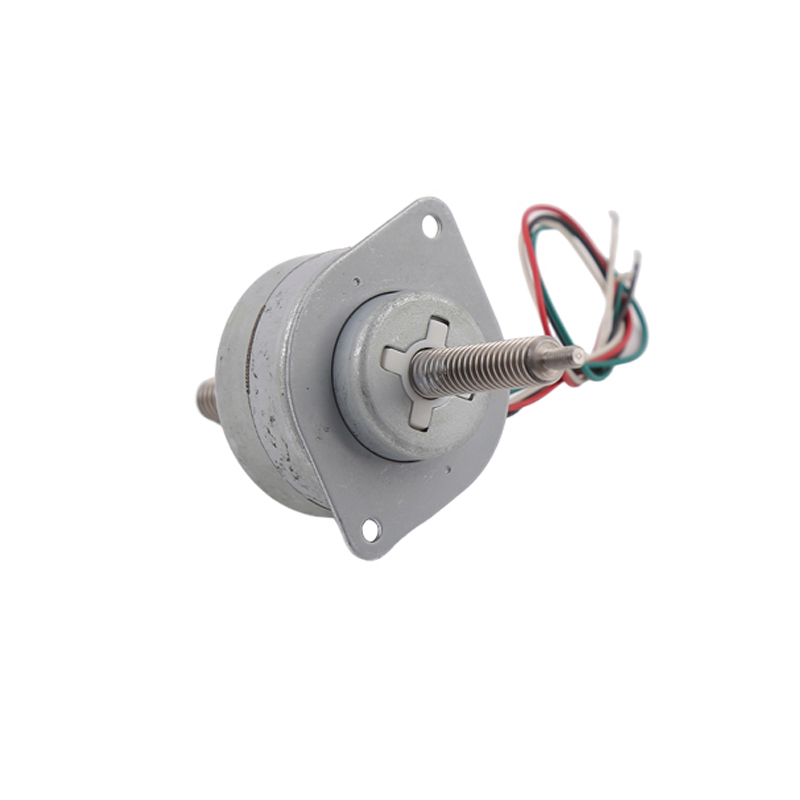
Before diving into how to control the speed and torque, it’s essential to understand the factors that influence these performance characteristics in a micro linear stepper motor.
1. Current Input
The speed and torque of a stepper motor are directly influenced by the current supplied to the motor coils. Increasing the current typically increases both torque and speed. However, pushing too much current can lead to overheating, reducing the motor’s efficiency and lifespan.
2. Voltage
The operating voltage of the micro linear stepper motor also affects its speed. Higher voltages can enable the motor to reach higher speeds, especially at low loads. However, excessive voltage can result in overheating and unnecessary power consumption.
3. Step Resolution
A resolução por passo determina com que precisão o motor consegue dividir uma rotação completa. Para os motores de passo lineares micro, a resolução por passo costuma ser expressa em micropassos (por exemplo, 1/16 de passo, 1/32 de passo), o que permite movimentos mais suaves e controle mais refinado. Quanto mais fina for a resolução, maior será o número de passos por unidade de distância, o que significa um controle mais preciso tanto da velocidade quanto da posição.
4. Load
The load on the micro linear stepper motor plays a significant role in determining both torque and speed. If the load is too high, the motor will struggle to maintain speed and torque. It’s essential to consider the weight and inertia of the load when designing the system and calculating the required torque.
5. Driver Settings
The motor driver plays a critical role in controlling both speed and torque. Many modern stepper drivers offer features like current limiting, microstepping, and advanced control algorithms that help in fine-tuning performance. Choosing the right driver is crucial for optimizing the micro linear stepper motor’s behavior.
How to Control the Speed of a Micro Linear Stepper Motor
Controlling the speed of a micro linear stepper motor involves adjusting the frequency of the step pulses that are sent to the motor. Here are the primary methods to control speed:
1. Pulse Rate Adjustment
O método mais comum para controlar a velocidade é ajustar a frequência dos pulsos de passo. Uma frequência de pulso mais alta resulta em uma velocidade do motor mais elevada, enquanto uma frequência mais baixa faz o motor girar mais devagar. Isso ocorre porque o motor avança um passo a cada pulso; portanto, ao aumentar a taxa de pulsos, aumenta-se a distância percorrida por unidade de tempo, o que está diretamente relacionado à velocidade.
Higher Pulse Rate: Faster speed
Lower Pulse Rate: Slower speed
A velocidade pode ser calculada pela seguinte fórmula:
Speed=Pulse Rate×Step SizeMotor Gear Ratio\text{Speed} = \frac{\text{Pulse Rate} \times \text{Step Size}}{\text{Motor Gear Ratio}}Speed=Motor Gear RatioPulse Rate×Step Size
2. Microstepping
Many micro linear stepper motors support microstepping, where the motor takes smaller steps within a full step cycle. By increasing the number of micro-steps per full step, you can achieve smoother motion and finer speed control. Microstepping allows for finer resolution but can slightly reduce the maximum achievable speed compared to full stepping.
3. Acceleration/Deceleration Control
A maioria dos drivers de passo modernos permite programar as taxas de aceleração e desaceleração. Aumentar gradualmente a velocidade reduz o risco de ultrapassar ou pular passos, o que é especialmente importante em aplicações que exigem alta precisão. Uma curva de aceleração suave também diminui o risco de danificar o motor e a carga.
How to Control the Torque of a Micro Linear Stepper Motor
Torque is a critical factor in determining the motor’s ability to move loads. The torque of a micro linear stepper motor is primarily controlled by adjusting the current supplied to the motor. Here’s how you can control torque effectively:
1. Current Limiting
Uma das formas mais eficazes de controlar o torque é definir um limite de corrente no driver. Ao ajustar esse limite, é possível estabelecer o torque máximo que o motor irá gerar. Correntes mais altas resultam em maiores torques, mas é importante equilibrar isso com considerações térmicas para evitar o superaquecimento.
Higher Current = Higher Torque
Lower Current = Lower Torque
Muitos drivers de passo permitem programar os limites de corrente de diversas maneiras, como corrente de pico e corrente de manutenção. A corrente de manutenção é a corrente aplicada quando o motor está parado, enquanto a corrente de pico é utilizada quando o motor está em movimento.
2. Voltage Control
Voltage control can also affect the torque, especially at high speeds. At lower voltages, the torque tends to decrease as the speed increases. Increasing the voltage can allow the micro linear stepper motor to maintain its torque even at higher speeds.
3. Using a Suitable Driver
The choice of driver plays a crucial role in determining both speed and torque characteristics. Advanced stepper drivers with features like current regulation, microstepping, and high-voltage operation can help optimize the torque output of your micro linear stepper motor.
4. Adjusting the Step Resolution
As mentioned, microstepping allows for finer control over the motor’s position and torque output. By reducing the step size, the motor can distribute its torque more evenly, which helps in maintaining a consistent force during operation.
Best Practices for Controlling Speed and Torque
Here are some additional tips and best practices to ensure optimal performance when controlling the speed and torque of a micro linear stepper motor:
Choose the Right Motor for Your Application: Ensure the micro linear stepper motor is capable of providing enough torque for your load. Choosing a motor with a higher torque rating than required can provide more headroom, reducing the risk of the motor stalling.
Use a High-Quality Driver: A reliable and efficient stepper driver ensures stable current and voltage, translating into more consistent speed and torque.
Keep the Motor Cool: Heat is one of the biggest enemies of stepper motors. Use heat sinks, fans, or active cooling systems to maintain a safe operating temperature.
Monitor Load Conditions: Always be mindful of how varying load conditions affect your motor’s performance. If the load increases or the system becomes more demanding, you may need to adjust the current or speed settings.
Conclusion
Controlling the speed and torque of a micro linear stepper motor is a combination of understanding the motor’s parameters and using the right tools and techniques. By adjusting the current, voltage, step resolution, and pulse rate, you can fine-tune the motor’s performance to suit your application.
Whether you’re building a compact robotic arm or a precise automated tool, mastering the control of micro linear stepper motors will ensure smooth, efficient, and accurate motion control. Proper motor driver selection and system design will not only help you optimize the motor’s performance but also enhance the overall reliability and longevity of your system.
Ao equilibrar cuidadosamente os fatores de velocidade, torque e carga, será possível alcançar a precisão e a potência necessárias para o seu caso de uso específico.