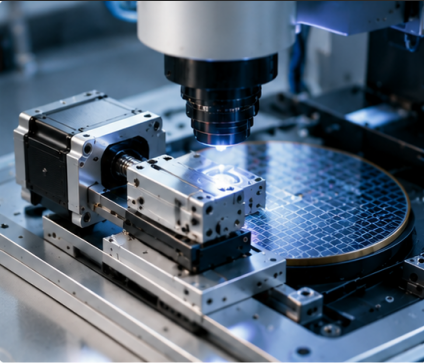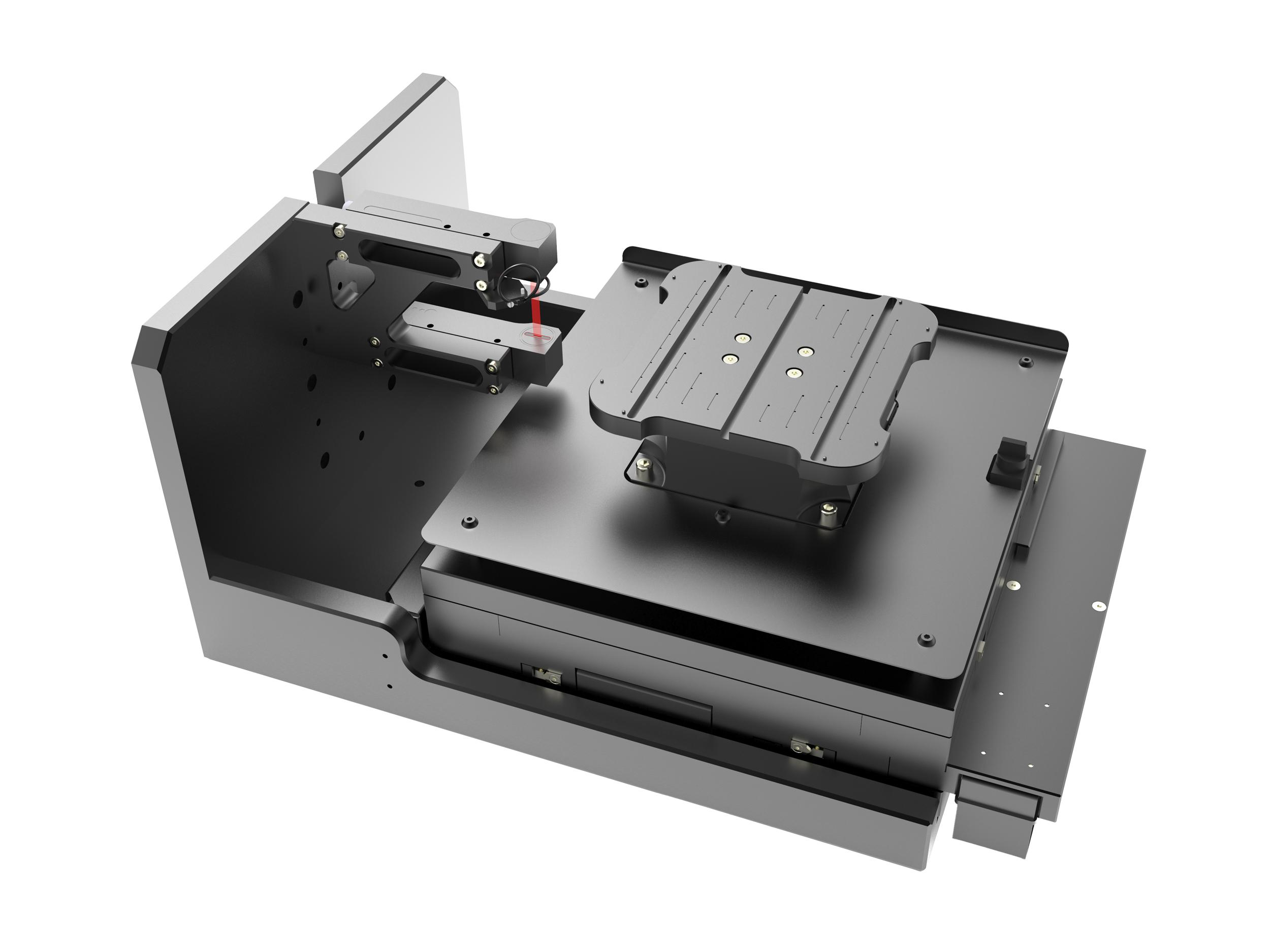

Micro linear stepper motors are precision devices widely used in applications requiring accurate linear motion in compact spaces, such as robotics, medical equipment, 3D printing, and consumer electronics. These motors combine the rotational precision of a stepper motor with a lead screw or nut to produce controlled linear movement, making them ideal for tasks demanding high repeatability and minimal footprint. However, like any technology, micro linear stepper motors can encounter issues that affect performance, from stalling to overheating. Understanding these common problems and their solutions is crucial for ensuring optimal operation and longevity. This article explores the most frequent challenges associated with micro linear stepper motors and provides practical solutions to enhance reliability and efficiency, optimized for the keyword “micro linear stepper motor” to boost search engine rankings.
By addressing these issues proactively, engineers, hobbyists, and manufacturers can maximize the potential of micro linear stepper motors in their projects. Whether you’re troubleshooting a robotic arm or fine-tuning a medical dosing system, this guide will help you identify problems and implement effective fixes, ensuring your micro linear stepper motor performs at its best.
What Is a Micro Linear Stepper Motor?
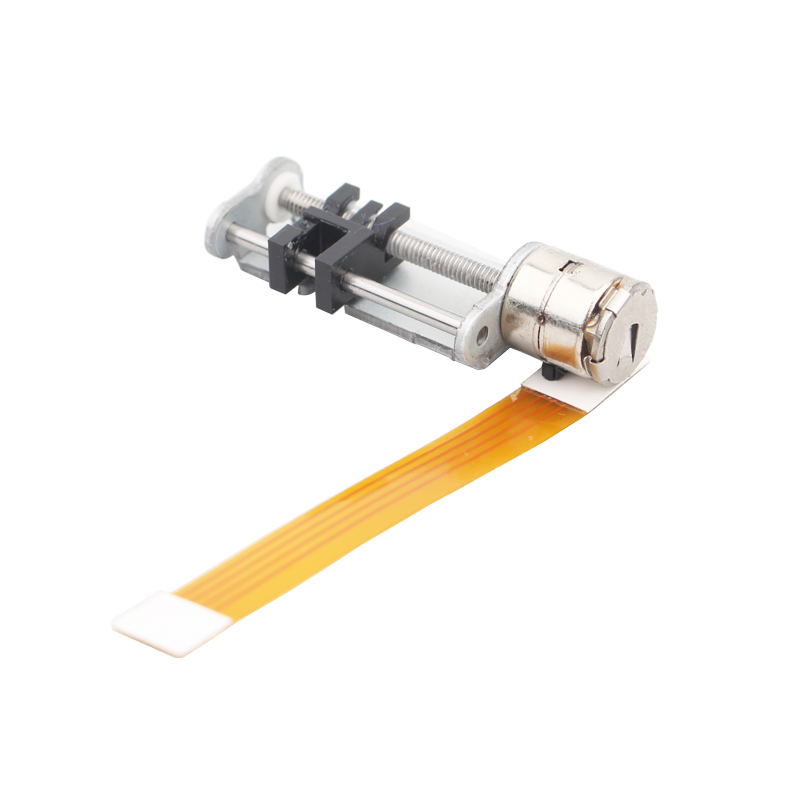
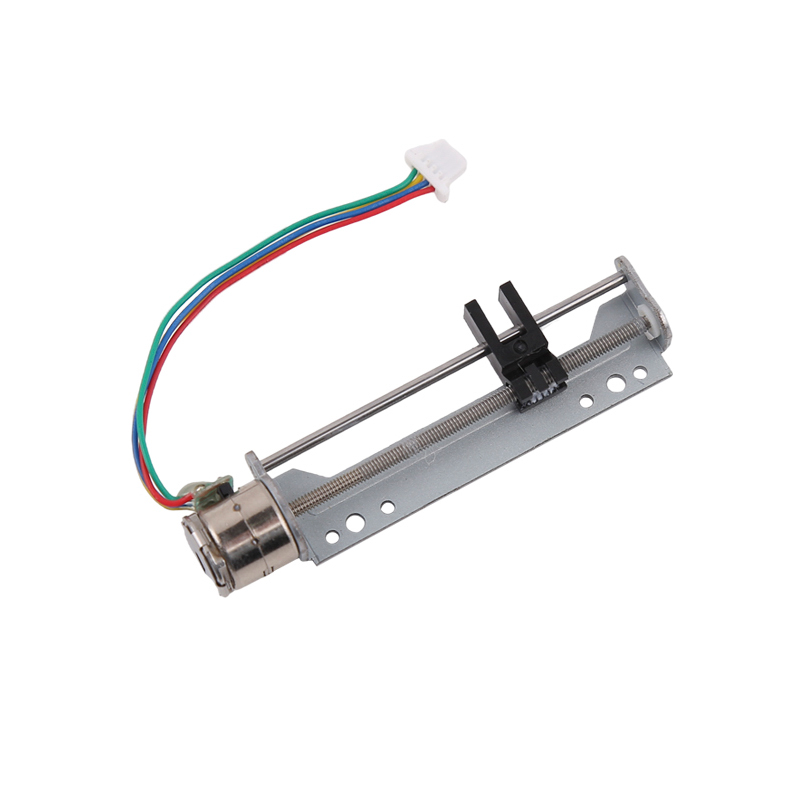
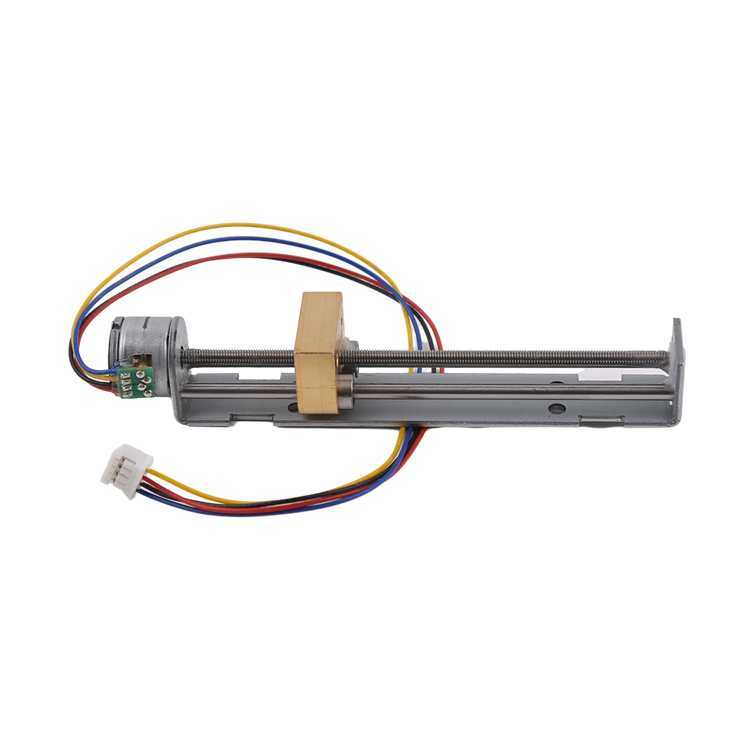
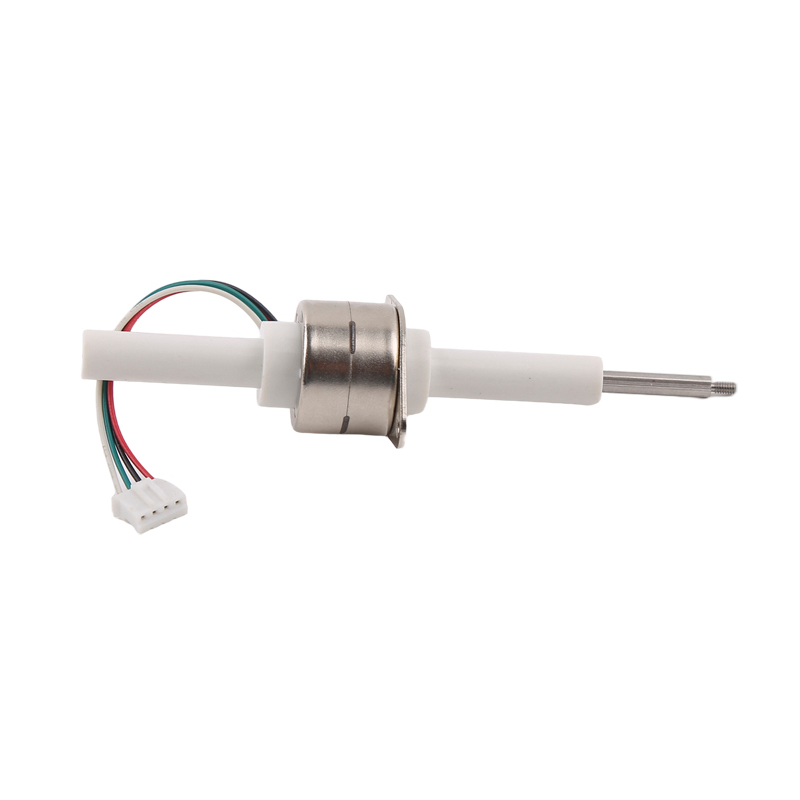
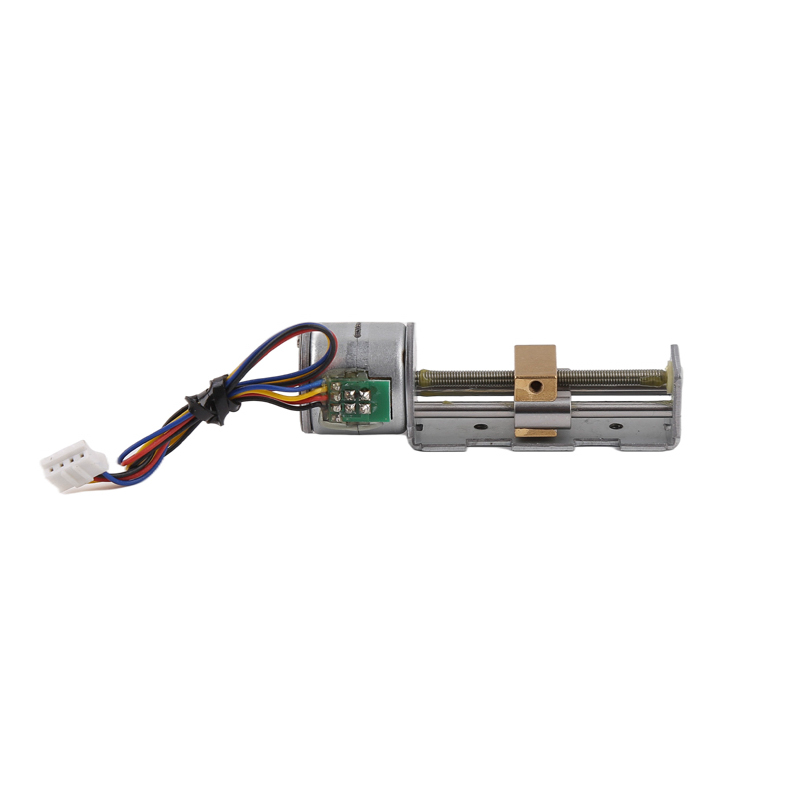
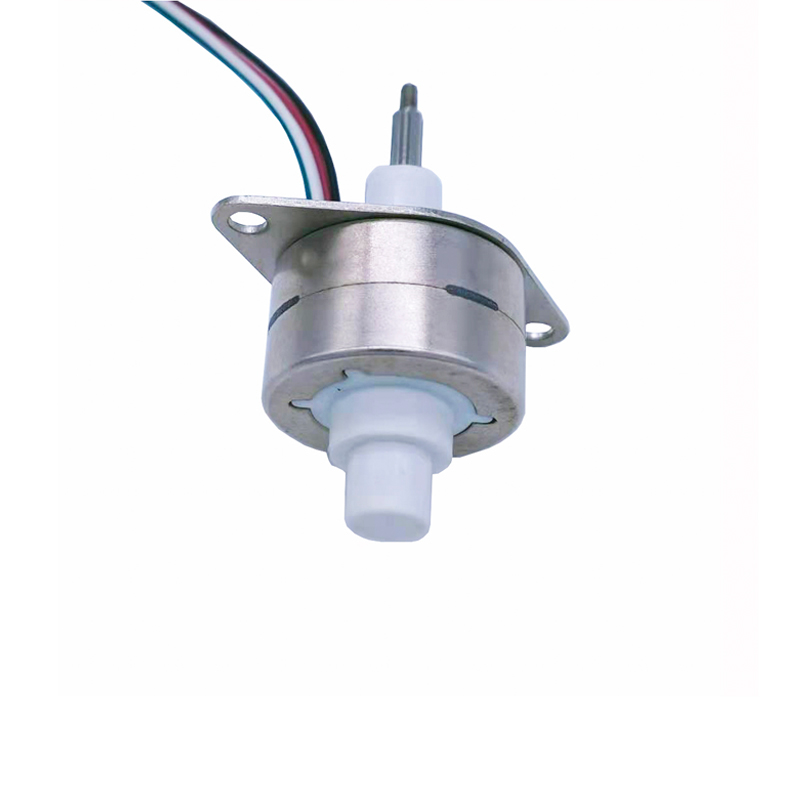
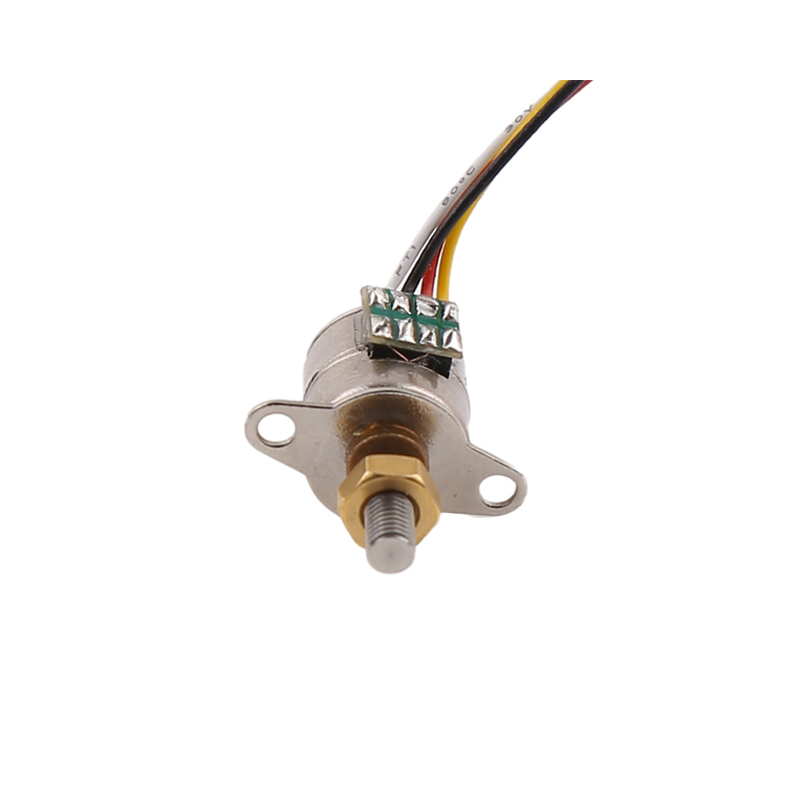
A micro linear stepper motor is a compact electromechanical device that converts digital pulses into precise linear motion. Unlike rotary stepper motors, these incorporate a lead screw or threaded nut to translate rotational steps into linear displacement, offering resolutions as fine as 0.001mm per step. Available in captive, non-captive, and external linear configurations, they cater to diverse applications. Captive motors feature an integrated nut for self-contained motion, non-captive designs allow free screw rotation for longer strokes, and external linear motors pair with separate screws for custom setups. Brands like Haydon Kerk, Portescap, and Xeryon lead the market with models as small as 8mm in diameter.
As aplicações mais comuns incluem bombas de seringa (oferecendo precisão de 0,05 ml/min), sistemas de autofoco de câmeras e o controle do eixo Z em impressoras 3D. Seu controle em malha aberta elimina a necessidade de sensores de realimentação, reduzindo custos e complexidade, enquanto a capacidade de manter a posição sem alimentação elétrica aumenta a eficiência. Contudo, problemas como perda de passos ou desgaste mecânico podem surgir, e tratá-los rapidamente é essencial para preservar o desempenho.
Common Problems and Solutions for Micro Linear Stepper Motors
Below, we outline the most frequent issues encountered with micro linear stepper motors and provide actionable solutions to resolve them, ensuring seamless operation.
1. Missed Steps or Inaccurate Positioning
Problem: Missed steps occur when the micro linear stepper motor fails to move the expected distance, leading to positioning errors. This is common in high-speed or high-load applications, such as CNC machines, where the motor struggles to keep up with commanded steps.
Causes:
- Torque insuficiente para a carga.
- Ressonância em determinadas velocidades.
- Ruído elétrico ou configurações inadequadas do driver.
Solutions:
- Increase Torque: Select a micro linear stepper motorwith higher torque, such as Portescap’s 20DAM series, which offers up to 50N thrust. Check load requirements and ensure a 30-50% safety margin, as recommended by Thomson.
- Mitigate Resonance: Use microstepping drivers (e.g., TMC2209) to smooth motion and reduce resonance. Oriental Motor suggests dampers or anti-resonance algorithms for speeds above 100mm/s.
- Optimize Driver Settings: Adjust current limits and step resolution. For example, Anaheim Automation advises setting the driver to 1/8 or 1/16 microstepping for finer control.
- Reduce Noise: Shield cables and use twisted-pair wiring to minimize electromagnetic interference.
2. Overheating
Problem: Excessive heat in a micro linear stepper motor can degrade performance, reduce lifespan, or cause thermal shutdown. This is prevalent in continuous-duty applications like automated test equipment.
Causes:
- Alta demanda de corrente devido ao excesso de acionamento.
- Ventilação insuficiente ou altas temperaturas ambiente.
- Projeto ineficiente da bobina.
Solutions:
- Lower Current: Use a driver with current chopping, like the A4988, to limit heat generation. Jkongmotor recommends setting current to 70-80% of the motor’s rated value.
- Improve Cooling: Add heat sinks or fans, especially for motors operating above 60°C. Ensure adequate airflow in enclosures.
- Select Efficient Motors: Choose low-resistance coils (e.g., 8-10 ohms) from brands like Vic-Tech motor Industries to reduce heat. Bipolar configurations are more efficient than unipolar.
- Monitor Duty Cycle: For high-duty applications, cycle the motor on/off or use pulse-width modulation (PWM) to manage heat, as suggested by Kollmorgen.
3. Stalling or Motor Failure
Problem: Stalling occurs when the micro linear stepper motor stops moving under load, often in robotics or industrial automation, risking project downtime or damage.
Causes:
- Sobrecarga além da capacidade de tração do motor.
- Emperramento mecânico ou desalinhamento.
- Fonte de alimentação inadequada.
Solutions:
- Match Load to Capacity: Verify the motor’s thrust rating (e.g., 10-50N for Firgelli Automations models) against your application’s load. Avoid exceeding axial or radial limits.
- Check Alignment: Ensure the lead screw and nut are properly aligned to prevent binding. Haydon Kerk advises regular lubrication with PTFE-based grease to reduce friction.
- Upgrade Power Supply: Use a stable DC supply (5-24V) with sufficient current, as undersized supplies cause voltage drops. Novanta IMS suggests a power supply rated 20% above peak demand.
- Add Feedback: For critical applications, integrate an encoder for closed-loop control to detect and correct stalls, though this increases cost.
4. Excessive Noise or Vibration
Problem: A micro linear stepper motor may produce excessive noise or vibration, disrupting precision tasks like camera stabilization or medical imaging.
Causes:
- Ressonância em taxas específicas de passos.
- Componentes mecânicos soltos.
- Parafusos ou porcas de avanço de baixa qualidade.
Solutions:
- Use Microstepping: Drivers like Stepperonline’s DM542 reduce vibration by dividing steps into smaller increments, smoothing motion.
- Secure Components: Tighten mounts and check for wear in the lead screw or nut. Helix Linear recommends anti-backlash nuts to minimize play.
- Select High-Quality Screws: Opt for precision-machined lead screws with low pitch error, as offered by Xeryon, to reduce noise.
· Adjust Speed: Operate outside resonance frequency bands, typically identified through testing, as per Applied Motion Products’ guidelines.
5. Mechanical Wear and Backlash
Problem: Backlash—unwanted movement in the lead screw or nut—reduces precision, while wear shortens the lifespan of the micro linear stepper motor, especially in high-cycle applications like 3D printing.
Causes:
- Materiais ou fabricação de baixa qualidade.
- Lubrificação insuficiente.
- Altas cargas axiais ou desalinhamento.
Solutions:
- Choose Anti-Backlash Designs: Select motors with built-in anti-backlash nuts, like those from Haydon Kerk, to ensure consistent positioning.
- Lubricate Regularly: Apply high-quality lubricants every 500-1000 hours of operation, as advised by Thomson, to reduce friction and wear.
- Use Durable Materials: Opt for motors with stainless steel or polymer screws, as offered by Sanyo Denki, for enhanced durability.
- Align Properly: Ensure precise alignment during installation to minimize stress on components.
6. Electrical or Control Issues
Problem: Erratic motion or failure to respond to commands can occur in micro linear stepper motors, often in DIY projects using Arduino or Raspberry Pi.
Causes:
- Fiação ou configuração incorreta do driver.
- Sinais de controle incompatíveis.
- Erros de firmware ou software.
Solutions:
- Verify Wiring: Ensure correct phase connections (A+, A-, B+, B-) for 4-wire motors. Check datasheets for pinouts, as provided by Simtach.
- Match Driver to Motor: Use compatible drivers (e.g., DRV8825 for high-current motors) and confirm voltage/current ratings.
- Update Firmware: Ensure control software supports the motor’s step pulse requirements. Open-source libraries from Adafruit simplify integration.
- Test Incrementally: Run low-speed tests before full operation to diagnose issues, as recommended by Venture Mfg. Co.
Preventive Maintenance Tips for Micro Linear Stepper Motors
Para minimizar esses problemas, adote as seguintes práticas de manutenção:
- Regular Inspections: Check for wear, alignment, and loose components monthly.
- Clean Environment: Keep motors free of dust and debris, especially in cleanroom applications.
- Monitor Performance: Use diagnostic tools to track step accuracy and temperature.
- Follow Manufacturer Guidelines: Adhere to maintenance schedules from brands like Portescap or Oriental Motor.
Conclusion
Micro linear stepper motors are powerful tools for precision linear motion, but issues like missed steps, overheating, and backlash can hinder performance. By understanding these common problems and applying the outlined solutions, you can ensure your micro linear stepper motor operates reliably in any application. From selecting the right motor to implementing proper maintenance, proactive steps will enhance efficiency and longevity. Explore trusted brands like Haydon Kerk or Xeryon, and leverage online resources like DigiKey or 2025 X platform reviews to find the best micro linear stepper motor for your needs. Address these challenges today to keep your project running smoothly.